 how-to
How to Avoid Renovation Budget Overruns in 2026
Table of Contents
- Why Renovation Budget Overruns Happen (And How to Stop Them)
- Start With a Bulletproof Plan and Clear Project Scope
- How to Calculate Your Home Renovation Contingency Fund
- The Hidden Costs of Home Remodeling in New Jersey
- Renovation Scope Creep Prevention: Stick to the Plan
- Track Spending and Manage Change Orders Like a Pro
- Why You Should Hire a Custom Carpenter Central Jersey Trusts
- Your Action Plan to Avoid Renovation Budget Overruns
- Frequently Asked Questions
Last Updated: September 9, 2026
Why Renovation Budget Overruns Happen (And How to Stop Them)
A renovation budget overrun is the difference between what you planned to spend and what the project actually costs, and it happens to nearly every homeowner who renovates without a structured financial plan. The root cause is rarely a single bad decision; it is a chain of small ones: an unclear project scope, an underestimated contingency fund, and change orders that arrive mid-construction. Most overruns trace back to decisions made before the first hammer swings.
The good news is that overruns are predictable, which means they are preventable. Below, we show you how to structure your budget, calculate a realistic contingency, and manage the construction phase so surprises do not blow your finances apart.
Start With a Bulletproof Plan and Clear Project Scope
The single most effective way to avoid renovation budget overruns is to define a detailed project scope before you request a single quote. A project scope is a written document that lists every material, fixture, finish, and labor task involved in the remodel. When this document is vague, contractors must guess, and their quotes will reflect that uncertainty with higher prices or allowances that run out quickly.
Your scope should specify exact products where possible, including cabinet door styles, countertop materials, tile sizes, and faucet models, and define the construction timeline and responsibilities. A common mistake is starting with an architect's drawing but no material selections, then discovering mid-project that the tile you love costs double the allowance.
Define Must-Haves vs. Nice-to-Haves
Separate every item on your wish list into must-haves that are non-negotiable and nice-to-haves you can cut if prices climb. Write both lists down and agree on them before contacting contractors, so when a price escalation threatens your budget, you already know which items to drop first.
How to Calculate Your Home Renovation Contingency Fund
A home renovation contingency fund is a dedicated reserve of money, separate from your main budget, set aside to cover unexpected costs. A realistic fund for a full remodel is 10-20 percent of your total project cost, with older homes and structural work leaning toward the higher end (thisoldhouse.com). This buffer absorbs surprises like hidden water damage, outdated wiring, or load-bearing walls in the wrong place.
But a single percentage is just a starting point. To build a contingency that actually protects you, calculate it based on the specific risk profile of your project.
Step 1: Build a Line-Item Baseline
First, get itemized quotes from at least three contractors, not a single lump-sum bid, so you see the cost breakdown for each trade: demolition, framing, electrical, plumbing, HVAC, drywall, painting, and finish materials. Add 5 percent to the total to account for price fluctuations between the quote date and when materials are ordered.
Step 2: Assign Risk Multipliers
Now, take that adjusted baseline and apply risk multipliers based on what your project involves. A simple bathroom vanity swap carries far less risk than a full kitchen remodel that moves plumbing.
- Cosmetic refresh (paint, flooring, fixtures): 10 percent contingency
- Kitchen or bath remodel without moving walls: 15 percent contingency
- Any project involving opening walls, moving plumbing, or altering the roofline: 20 percent contingency
- Full gut renovation of a home built before 1970: 25 percent contingency
The age of your home matters more than almost any other factor. Homes in Old Bridge built in the 1960s and 1970s often hide outdated electrical panels, cast-iron drain pipes, and ungrounded wiring. Once walls open, bringing these systems up to code is required for passing inspection, so if your home is older, plan for the higher end of the range.
Step 3: Separate the Contingency from Your Budget
Keep your contingency fund in a separate savings account, not the same checking account you use for contractor draws. This creates a psychological barrier that makes it harder to spend that money on upgrades.
Step 4: Plan for the Draw Schedule
Your contingency is not a lump sum you hold until the end. Structure your contractor payment schedule so you retain a portion of each draw as a holdback, a common pattern is 10 percent retainage on each progress payment, released only after you inspect and sign off. This gives you leverage to demand fixes without dipping into your contingency fund.
The Financing Angle Most Guides Miss
If you are funding your renovation with a home equity line of credit (HELOC) or a construction loan, your contingency strategy changes. Lenders typically disburse funds based on a draw schedule tied to milestones. If an unexpected cost appears and you have exhausted your contingency, you cannot simply ask for more money mid-project without a formal change order and revised loan agreement, a process that can take weeks and stall your project.
A better approach: if your lender allows it, borrow your contingency amount as part of the loan rather than paying out of pocket. This keeps your cash reserves intact and ensures the money is available when needed, but remember you will pay interest on the full amount, so factor that carrying cost into your total budget.
When to Release the Contingency
Do not release your contingency fund all at once. Hold the full amount until the project is 50 percent complete, then reassess. If no major surprises have emerged, release half of the remaining contingency for approved upgrades. Hold the final portion until the final walkthrough and punch list are complete, ensuring financial protection through the most unpredictable phase, the last 10 percent, where finishing details and correction work often reveal cost overruns.
The Hidden Costs of Home Remodeling in New Jersey
New Jersey homeowners face hidden costs that generic national guides rarely mention, and they can add thousands to a project if ignored. In Old Bridge, the regulatory landscape and regional construction market create unique cost pressures. Here is what you need to budget for before you sign a contract.
Old Bridge Township Permit Fees and Timelines
Old Bridge Township requires building permits for structural changes, electrical work, plumbing alterations, and most additions. The Construction Code Office, in the Municipal Building on Route 516, handles all applications. As of 2025, the base permit fee for a typical kitchen or bath remodel starts around $125, but the township adds separate fees for each sub-code inspection: plumbing, electrical, and mechanical. A full gut renovation can easily accumulate $600 to $1,200 in permit fees before factoring in the cost of bringing old systems up to code.
More important than the fee is the timeline. Old Bridge's permit review typically takes 2 to 4 weeks for a straightforward remodel, but 6 to 8 weeks if your project requires a zoning variance or plan review by the township engineer. During that time, your contractor's crew is idle, and you are paying for their time or losing your place in their schedule. Build the permit timeline into your project plan before you set a start date.
Zoning and the 'Over-Improvement' Trap
Old Bridge's zoning ordinance restricts how close structures can sit to property lines, how tall fences can be, and what percentage of your lot can be covered by impervious surfaces. If your addition or deck violates these rules, you need a variance from the Zoning Board of Adjustment, which requires public notice, a hearing, and often an engineer's survey, easily adding $2,000 to $5,000 and 2 to 3 months to your timeline.
But there is a subtler financial trap most homeowners miss: over-improvement. Every neighborhood has a ceiling value, the maximum price buyers will pay regardless of how luxurious the finishes are. If you spend $150,000 renovating a kitchen and master bath in a home whose ceiling value is $450,000, and comparable homes sell for $400,000, you will not recoup that investment at resale. Before you approve a high-end upgrade, ask your real estate agent for a comparative market analysis of recent sales within a half-mile of your home. If your project budget exceeds the gap between your current home value and the neighborhood ceiling, you are over-improving.
Structural Surprises Common in Middlesex County Homes
Many homes in Old Bridge were built in the 1960s and 1970s and share common hidden issues that only appear once walls open. Knob-and-tube wiring is rare but not unheard of; more common are ungrounded two-prong outlets, aluminum branch circuit wiring, and undersized electrical panels. Bringing these up to code typically costs $3,000 to $8,000 depending on the size of the home.
Plumbing is another frequent culprit. Cast-iron drain pipes from the 1960s corrode from the inside, and once disturbed, they can fail entirely. A sewer line replacement runs $5,000 to $15,000 depending on length and whether you need to dig through a concrete slab. Water heaters in New Jersey must be strapped and up to code, and if your remodel exposes the water heater closet, an inspector may require unplanned upgrades.
Regional Labor Costs and Material Surcharges
Labor rates in Middlesex County run higher than the national average. According to the U.S. Bureau of Labor Statistics, construction labor costs in the New York-Newark-Jersey City metro area are approximately 15-20 percent above the national median, so every day your project extends due to a change order costs more in labor. Additionally, many suppliers in Central New Jersey add a fuel surcharge for delivery, typically 3-5 percent of material cost. Ask your contractor whether their quotes include delivery and any surcharges that could appear on the final invoice.
The Contractor Licensing Requirement You Cannot Skip
New Jersey requires all home improvement contractors to be registered with the Division of Consumer Affairs. This is not optional, and it is not the same as being licensed, registration is a mandatory prerequisite for legally performing work in the state. Before you sign a contract, verify your contractor's registration number on the Division of Consumer Affairs website. If a contractor cannot provide a valid number, walk away. Unregistered contractors often operate without insurance, leaving you no recourse through the state's dispute resolution process if they cause damage or fail to complete the work.
Renovation Scope Creep Prevention: Stick to the Plan
Renovation scope creep is the gradual expansion of a project beyond its original boundaries, and it is the quiet killer of renovation budgets. It starts innocently: you see the walls open and decide to move a light switch, then upgrade the plumbing while exposed, then add a custom built-in because the space looks empty. Each change adds labor and material costs never in your original estimate.
Prevention requires financial discipline and a clear rule: no change gets approved without a written cost estimate first. When you feel the urge to add something, ask yourself if it is a must-have or a nice-to-have from your original list. If it is a nice-to-have, defer it to a future project, the construction phase is the worst time to make design decisions because you are under pressure and emotionally invested.
Track Spending and Manage Change Orders Like a Pro
Tracking every dollar from day one is non-negotiable. Use a simple spreadsheet or project management app that categorizes each expense against your budget line items, update it weekly, and compare actual spending against your planned breakdown to spot variance early. A common mistake is only tracking big-ticket items while letting small purchases like hardware and paint quietly accumulate.

A change order is a formal written amendment to your contract that documents any change to the original scope, along with its cost and timeline impact. Never approve verbal changes, because they create disputes later. When a contractor requests a change, ask for it in writing with a firm price before work proceeds, and decide within a set window so the construction timeline does not stall. The U.S. Department of Housing and Urban Development's guide to avoiding remodeling problems emphasizes that written agreements are your primary protection against disputes.
Why You Should Hire a Custom Carpenter Central Jersey Trusts
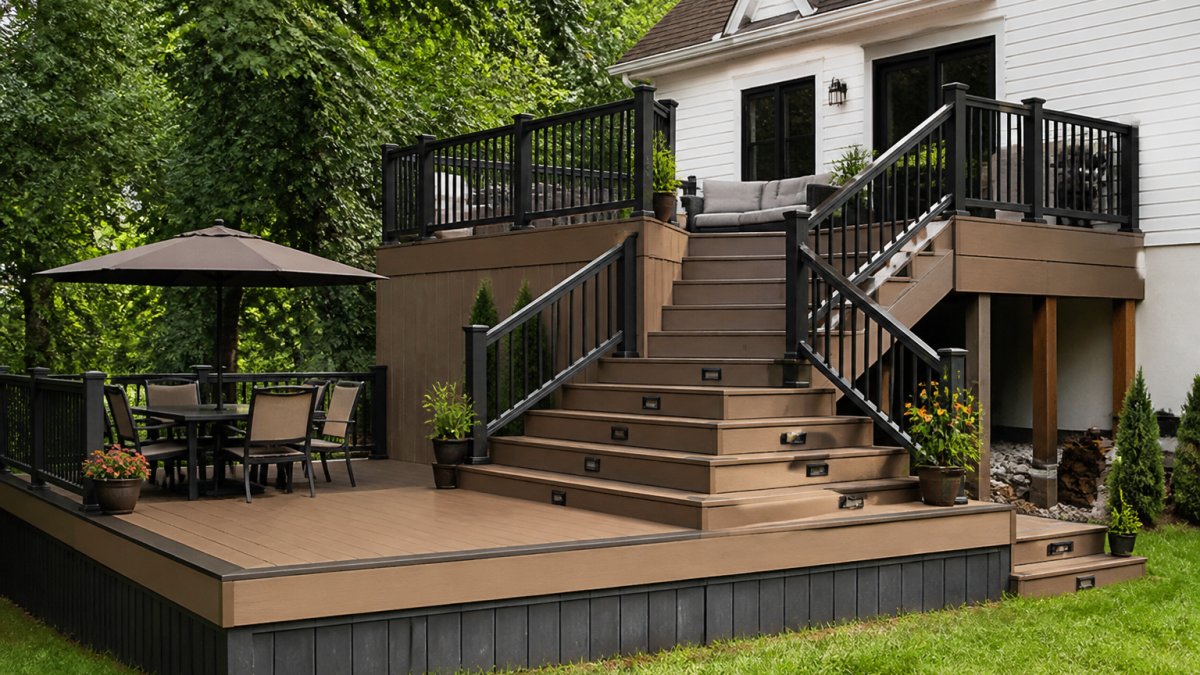
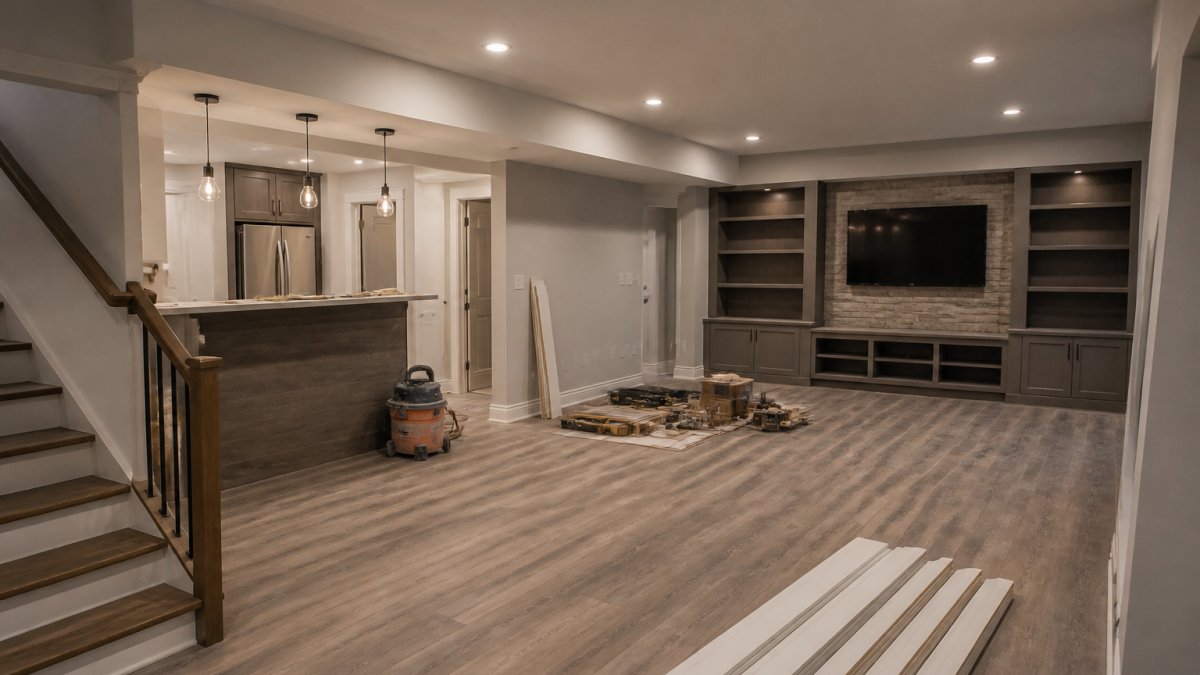
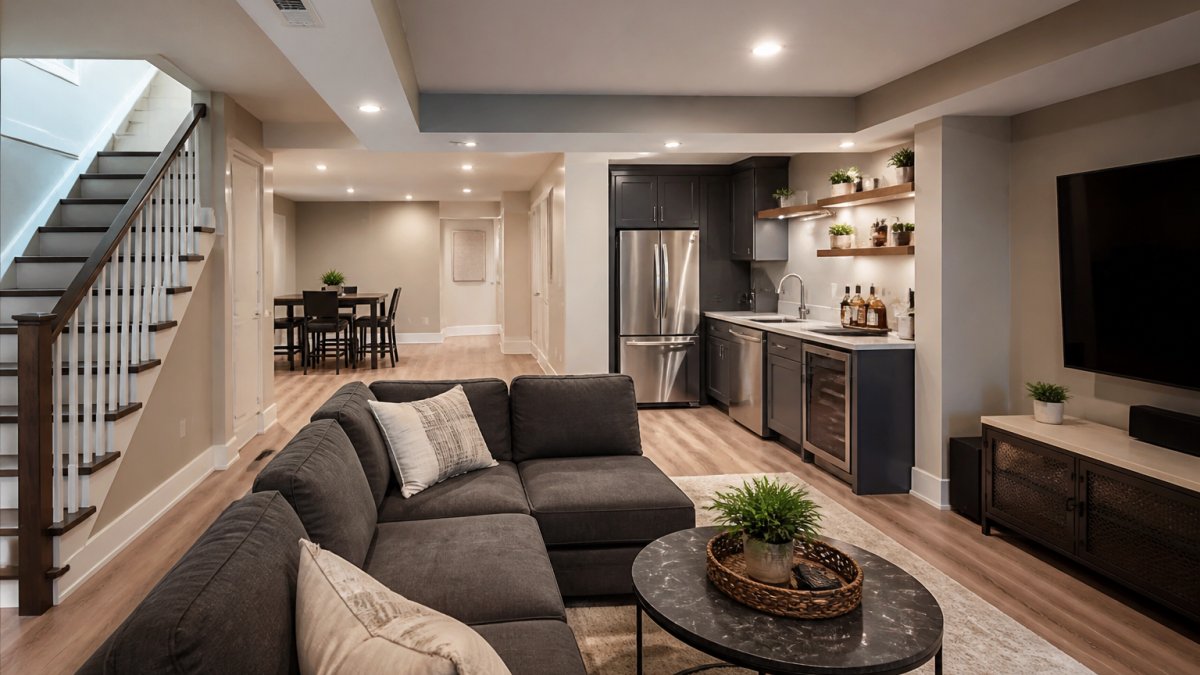
Hiring a contractor who controls the entire build, rather than coordinating multiple separate trades yourself, reduces the risk of budget overruns because one accountable party manages the project scope, timeline, and spending. When you hire a custom carpenter in Central New Jersey who also handles full remodels, you get a single point of responsibility for both structural work and finish details. This is where a firm like PIONEER WOODWERX stands apart as a veteran-owned general contractor in Old Bridge: we handle kitchens, bathrooms, decks, and basement remodels under one roof.
The financial argument for a full-service contractor is simple. A contractor who built your custom cabinets will not blame the cabinet installer for a poor fit, and a firm that manages the whole construction phase absorbs coordination costs rather than passing them to you as change orders. Look for a contractor who provides dependable project management from first consultation through final installation and communicates budget status proactively.
Your Action Plan to Avoid Renovation Budget Overruns
Follow this checklist to keep your Old Bridge renovation on budget from start to finish:
- Define your project scope in writing with specific materials and fixtures before requesting quotes.
- Separate must-haves from nice-to-haves and agree on them with everyone involved.
- Calculate your contingency fund at 15-20 percent of the total project cost.
- Research local permit fees and zoning regulations in Old Bridge before you commit to a design.
- Get multiple itemized quotes and compare them line by line, not just on the bottom number.
- Use a written contract that specifies the scope, timeline, and payment schedule.
- Track spending weekly against your cost breakdown using a spreadsheet or app.
- Require written change orders with firm pricing before any work changes.
- Stick to your must-have list and defer nice-to-haves to a future project.
The challenge of avoiding renovation budget overruns comes down to preparation and discipline, not luck. A clear plan, a realistic contingency fund, and a contractor who manages the process transparently will protect your finances and your peace of mind. PIONEER WOODWERX brings veteran-owned reliability, full-service remodeling, and personalized craftsmanship to every project we manage in Central New Jersey. If you are planning a renovation and want a partner who respects your budget, visit our site to learn more about our process and request a free consultation to get started.
Frequently Asked Questions
What is the 30% rule for renovations?
The 30% rule is a common guideline suggesting you set aside 30% of your total renovation budget as a contingency fund. For example, on a $50,000 project, you would reserve $15,000 for unexpected costs. While 10-20% is a standard minimum, 30% offers stronger protection for older homes or projects involving structural changes, where the risk of hidden issues is higher.
What are the most common hidden costs in New Jersey home remodels?
In New Jersey, common hidden costs include permit fees, which vary by municipality, and unexpected structural issues like outdated wiring or plumbing that doesn't meet current code. Zoning regulations can also require costly adjustments. Material price escalation and disposal fees for old materials are other frequent surprises. A thorough pre-construction inspection and a detailed contract help reduce these risks.
How can I avoid scope creep during a kitchen or bathroom remodel?
Scope creep happens when you change decisions mid-project. To prevent it, finalize all selections for fixtures, tiles, and finishes before work begins. Put every detail in your written contract and stick to your must-have list. If you're tempted to add work, remember that change orders often delay the timeline and increase labor costs. Ask your contractor how a change will affect both budget and schedule before approving it.
How do I vet a contractor in Central Jersey to ensure accurate pricing?
Ask for a detailed, line-item written estimate that breaks out labor, materials, and permit fees. Request references from recent local projects and check that they are licensed and insured in New Jersey. A contractor who visits the site before quoting is more likely to give accurate pricing than one who bids over the phone. Clear communication about your budget upfront is also essential to avoid overruns.