 ultimate-guide
Average Cost of Kitchen Renovation NJ: 2026 Pricing Guide
Table of Contents
- Average Cost of Kitchen Renovation NJ: What Homeowners Actually Pay
- Factors Affecting Kitchen Renovation Cost in Central Jersey
- Kitchen Remodeling Timeline NJ: From Demolition to Final Walkthrough
- Old Bridge, NJ Permits and Inspection Fees
- Best Practices for Kitchen Renovation Budgeting
- When to Hire a Custom Carpenter in Central Jersey
- Conclusion
- Frequently Asked Questions
Last Updated: September 13, 2026
Average Cost of Kitchen Renovation NJ: What Homeowners Actually Pay
The average cost of kitchen renovation NJ homeowners pay depends heavily on scope, materials, and where you build. A modest refresh and a full gut renovation can sit in completely different budget brackets, and the gap between them surprises most people. This guide from PIONEER WOODWERX breaks down what actually drives the number in Central Jersey, from tier selection to permit fees in Old Bridge.
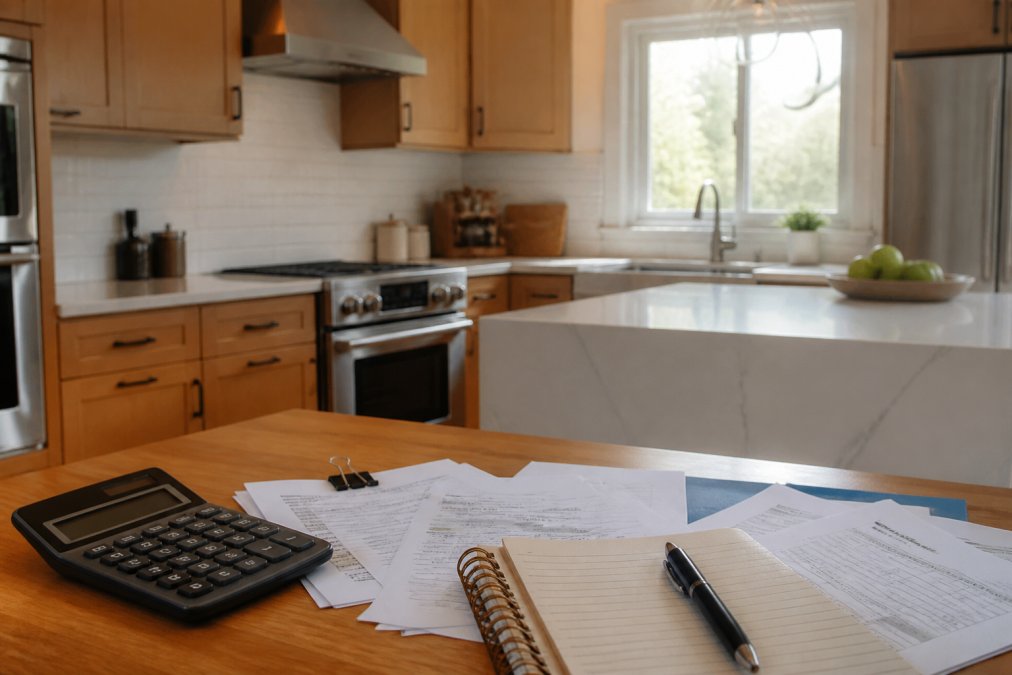
A kitchen renovation is a construction project that replaces or substantially rebuilds the core surfaces, systems, and fixtures of a kitchen, rather than simply updating decor. That distinction matters because it determines whether you need permits, licensed trades, and a general contractor.
What most guides miss is that the headline number is almost meaningless on its own. The real question is which tier you're building and how much of the work involves moving plumbing or electrical.
Budget, Mid-Range, and High-End Kitchen Remodel Tiers
Most projects fall into three tiers. A budget kitchen remodel keeps the existing layout, refreshes cabinet fronts, and swaps out fixtures and flooring. A mid-range kitchen remodel replaces cabinetry and countertops, updates lighting, and may involve minor electrical work. A high-end kitchen remodel opens walls, relocates plumbing, and installs custom cabinetry and premium stone.
| Tier | Typical Scope | Layout Changes | Cabinet Type |
|---|---|---|---|
| Budget | Paint, hardware, fixtures, flooring | None | Refaced or stock |
| Mid-range | New cabinets, quartz counters, lighting | Minor | Semi-custom |
| High-end | Full gut, moved walls, appliance packages | Significant | Custom built |
The tier you choose drives nearly every downstream decision, including timeline, permit requirements, and how many trades need to be on site.
Cost Per Square Foot for Kitchen Projects
Square footage pricing is the most common way contractors ballpark a kitchen, but it's a rough tool. A small galley kitchen with a tight layout often costs more per square foot than a large open kitchen, because the same plumbing and electrical rough-in work gets spread across fewer square feet.
Use square footage as a comparison device between bids, not as a budget-setting formula. Two contractors quoting the same kitchen at different per-square-foot rates may simply be scoping different work.
Factors Affecting Kitchen Renovation Cost in Central Jersey
Several variables move a kitchen budget more than material choice. The biggest are layout changes, the condition of what's behind the walls, and how many trades need to coordinate. An older home in Middlesex or Monmouth County often reveals outdated wiring or undersized framing once demolition starts, and that discovery reshapes the budget.
Labor and Material Cost Breakdown
Labor typically represents the largest share of a kitchen budget, and it scales with complexity rather than square footage. Moving a sink means plumbing rough-in, which means opening walls, which means drywall, which means painting. Each trade adds cost and time.
Material costs split across cabinetry, countertop fabrication, flooring installation, backsplash tiling, appliance packages, and lighting fixtures. Custom cabinetry and quartz countertops sit at the higher end; stock cabinets and vinyl flooring sit at the lower end.
Hidden Costs and Supply Chain Impacts
The costs that blow up budgets are rarely the ones on the estimate. They're the ones found after demolition: water damage behind a wall, a floor that isn't level, or wiring that doesn't meet current code. A contingency of 10-20% of the project scope is standard practice for exactly this reason (hud.gov).
Supply chain and lead times still shape schedules. Custom cabinetry and certain appliance packages can take weeks to arrive, and a delayed cabinet delivery stalls the entire construction timeline. Ordering long-lead items first is one of the simplest ways to protect your schedule.
Kitchen Remodeling Timeline NJ: From Demolition to Final Walkthrough
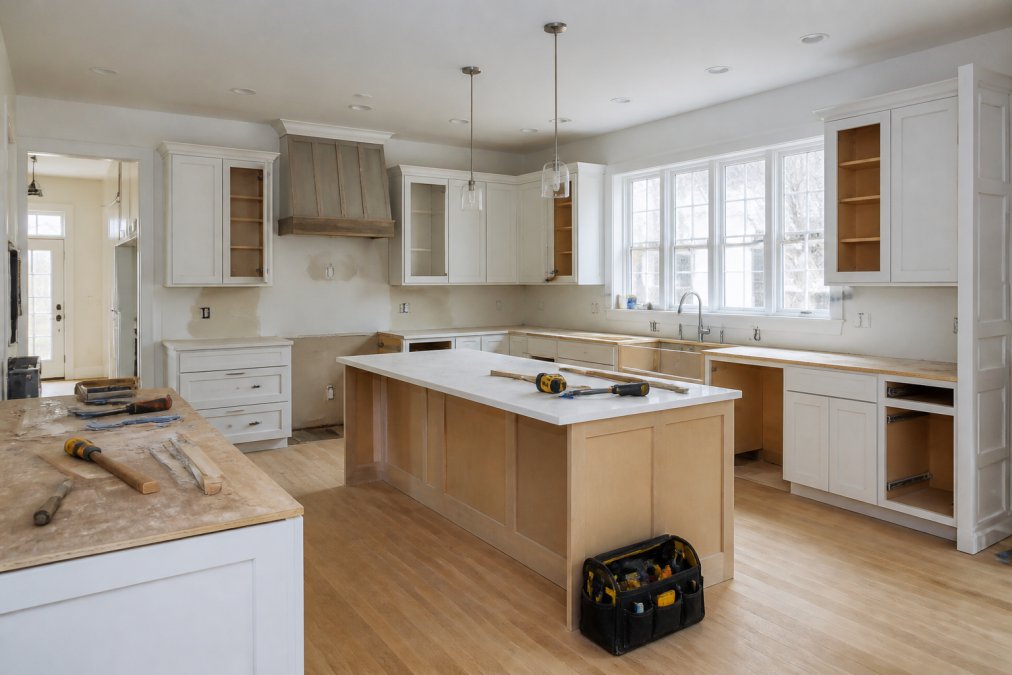
A typical kitchen remodeling timeline in NJ runs several weeks for a budget refresh and considerably longer for a full gut renovation. The sequence matters as much as the total duration, because trades depend on each other.
- Design and permitting - Finalize drawings and submit for building permits
- Demolition - Remove old cabinetry, counters, flooring, and fixtures
- Rough-in - Plumbing rough-in and electrical upgrades behind the walls
- Inspection - Rough inspections before walls close
- Drywall and paint - Close walls and prep surfaces
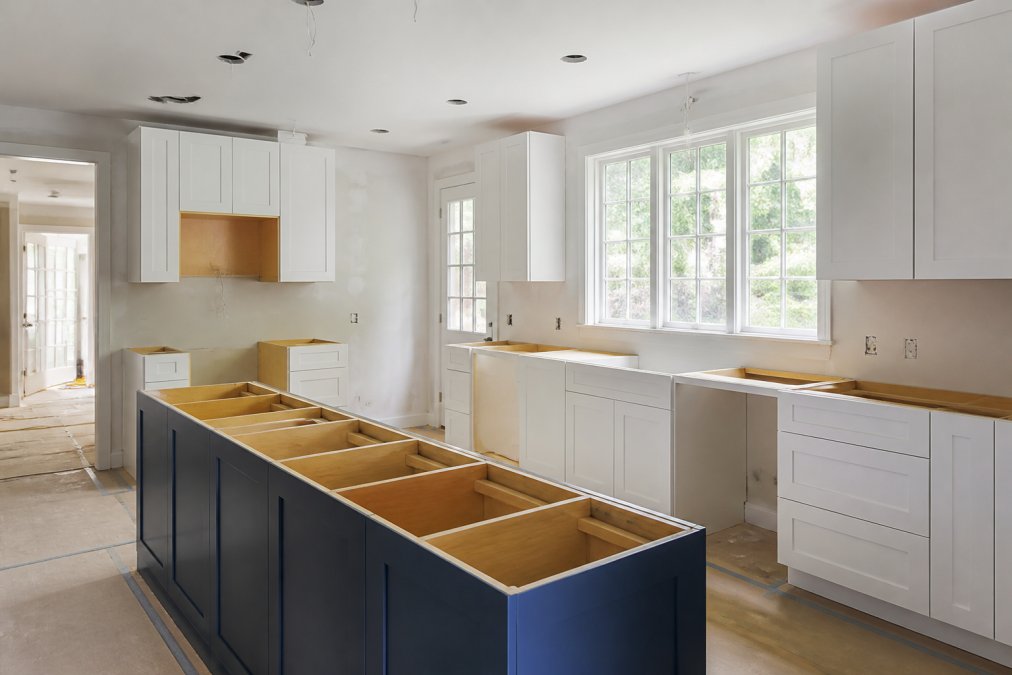
- Cabinetry installation - Set base and wall cabinets, level and shim
- Countertop fabrication and install - Template, fabricate, and set stone
- Backsplash tiling, flooring, and fixtures - Finish surfaces and connect appliances
- Final walkthrough - Punch list and sign-off
Each phase depends on the one before it. Rushing the rough-in to start cabinets early almost always creates rework.
Old Bridge, NJ Permits and Inspection Fees
This is the section most NJ kitchen guides skip, and it's the one that matters most if your home is in Old Bridge Township. Permit requirements here are set locally, not at the state level, and the scope of your project determines which subcodes get triggered.
What Triggers a Permit in Old Bridge
Under New Jersey's Uniform Construction Code, a kitchen project generally requires a building permit when you're doing any of the following: (nj.gov)
- Removing, adding, or relocating interior walls
- Adding, relocating, or extending electrical circuits, outlets, or lighting
- Moving or extending plumbing supply or drain lines
- Changing or extending HVAC ductwork or adding exhaust ventilation
- Replacing a water heater or making structural alterations
Cosmetic-only work, painting, replacing cabinet doors on existing boxes, swapping a countertop in the same footprint, laying new flooring over a sound subfloor, typically does not require a permit. The moment you touch a wall, a wire, a pipe, or a duct, assume you do.
How the Subcode System Works
New Jersey runs a subcode inspection system, which means a single construction permit can carry multiple subcodes, building, electrical, plumbing, and fire, each with its own inspection sequence (nj.gov). For a kitchen gut, the typical inspection order looks like this:
- Building subcode, rough framing and any structural work, then final
- Electrical subcode, rough wiring before walls close, then final after devices are installed
- Plumbing subcode, rough piping and venting, then final after fixtures are set
- Fire subcode, where required, typically for exhaust hoods and certain appliance installations
Rough inspections must pass before insulation and drywall go up. If your contractor closes walls early to save a day, the inspector can require the wall to be opened again, which costs far more than the day it saved.
Fee Structure and How to Confirm Current Amounts
Old Bridge Township sets permit fees on a schedule tied to the scope and valuation of the work, and the schedule is updated periodically. Rather than quote a figure that may be stale by the time you read this, the reliable move is to call the Old Bridge Township Construction Office directly and ask for the current fee schedule for your specific scope. Ask two questions: what the permit fee will be for your project description, and how many inspections the scope will require. Those two answers let you budget the line item accurately.
Who Pulls the Permit
In New Jersey, the permit can be pulled by the homeowner or by a licensed contractor. There's a meaningful difference. When a contractor pulls the permit in their own name, the inspections are scheduled against their license, and the township has a record of who performed the work. When a homeowner pulls it, the homeowner carries the liability for compliance, and if the work is later found deficient, the homeowner is the one the township pursues.
Local Contractor Labor Rates
Labor rates in Central Jersey track the broader Middlesex and Monmouth County market. Licensed trades, electricians and plumbers, bill at higher hourly rates than general labor, which is why projects that trigger electrical and plumbing subcodes move up in cost faster than projects that stay cosmetic. When you compare bids, compare the trade scope, not just the bottom line: a bid that omits the electrical subcode isn't cheaper, it's incomplete.
Best Practices for Kitchen Renovation Budgeting
Good budgeting starts before you talk to a contractor. Define your project scope in writing, decide which tier you're building, and separate must-haves from nice-to-haves. Then get at least three itemized bids that break out labor, materials, and allowances rather than a single lump sum.
- Write a clear project scope before requesting bids
- Set a contingency of 10-20% on top of your working budget
- Request itemized bids, not lump sums
- Confirm who pulls permits and schedules inspections
- Verify lead times on cabinetry and appliances before signing
- Get the payment schedule and timeline in the contract
A common mistake is choosing a bid purely on the lowest number. A low bid often reflects a thinner scope, an unrealistic timeline, or allowances that won't cover real material costs.
Financing Options for NJ Homeowners
New Jersey homeowners commonly fund kitchen projects through home equity loans, home equity lines of credit, cash-out refinancing, or dedicated renovation loans. Home equity is the most common route because it typically carries a lower rate than unsecured borrowing, and the project itself may add value that supports the investment.
When to Hire a Custom Carpenter in Central Jersey
Hiring a custom carpenter in Central Jersey makes sense when your project calls for built-ins, custom cabinetry, or woodwork that stock options can't deliver. Custom work is measured to your space, so it fits odd corners, ceiling heights, and layouts that prefabricated cabinets can't accommodate cleanly.
PIONEER WOODWERX is a veteran-owned general contractor based in Old Bridge that handles full kitchen renovations and select custom woodwork, from the first consultation through final installation. For homeowners who want one team managing the project rather than coordinating multiple trades, that single point of accountability is the real difference.
If you're searching for a kitchen remodeling contractor near me in Central Jersey, look for a licensed general contractor with a clear project management process and a portfolio of completed local work.
Conclusion
Kitchen renovation costs in Central Jersey come down to scope, layout changes, and how much hidden work the house reveals. The homeowners who stay on budget are the ones who define scope early, hold a contingency, and confirm permit and lead-time details before signing.
PIONEER WOODWERX brings full kitchen and bathroom remodeling, custom woodwork built to your specifications, and dependable project management from consultation to final installation. As a veteran-owned contractor serving Middlesex, Monmouth, and Union Counties, we build functional spaces designed for how families actually live.
Request a free consultation with PIONEER WOODWERX and get a clear scope, timeline, and project plan before you commit.
Frequently Asked Questions
Is $30,000 enough for a kitchen remodel in NJ?
A $30,000 budget can cover a mid-range kitchen remodel in New Jersey if you keep the layout and focus on cosmetic updates like new countertops, refaced or painted cabinets, and mid-grade appliances. It will not stretch to a full gut renovation with structural changes, custom cabinetry, or high-end finishes. Get a detailed quote from a licensed contractor to see what your specific scope allows.
What factors influence the total cost of a kitchen renovation in NJ?
The biggest cost drivers are project scope, whether you keep the existing layout, the quality tier of cabinets, countertops, and appliances, and labor rates in your county. Structural changes, plumbing rough-in, electrical upgrades, and permit fees add significantly. Supply chain lead times on custom cabinetry and specialty appliances can also push costs higher in Central Jersey.
Does a kitchen renovation add significant value to a home in Old Bridge?
A well-executed kitchen renovation typically returns a substantial portion of its cost at resale, though the exact ROI depends on your home's value, neighborhood comps, and the quality of finishes relative to surrounding properties. In Old Bridge and Middlesex County, updated kitchens with durable materials and good layouts tend to appraise well because buyers prioritize move-in-ready spaces.
How long does a typical kitchen renovation take in New Jersey?
A mid-range kitchen remodel in New Jersey usually takes 6 to 10 weeks from demolition to final walkthrough. Gut renovations with layout changes, custom cabinetry, or structural work can run 12 to 16 weeks or longer. Custom cabinet fabrication alone often adds 4 to 8 weeks to the timeline, so plan for material lead times before demolition begins.