 listicle
Benefits of Adding a Deck to Your Home
Last Updated: October 22, 2026
Quick Summary
The benefits of adding a deck to your home include expanding your living space for entertaining and family gatherings, improving curb appeal and home value, and creating a safe outdoor area that feels like an extension of your interior. A well-designed deck transforms your backyard into the heart of your home's social life while signaling quality to potential buyers.
- A deck adds value by expanding usable living space and improving curb appeal, though value recovery depends on construction quality and maintenance.
- Decks solve the fundamental problem most homes face: lacking enough usable outdoor space for entertaining and family activities.
- A deck is often the better choice than a patio on sloped yards or when your main-floor door sits well above grade.
- Real wood decks handle New Jersey's humidity and freeze-thaw cycles better than composite materials, though they require periodic maintenance.
- Old Bridge deck construction requires a building permit, site plan, structural details, and inspections to ensure compliance with the New Jersey Uniform Construction Code.
Table of Contents
- Why Homeowners Add Decks: The Core Benefits
- Does a Deck Add Value to a Home?
- Expanded Living Space and Outdoor Entertaining
- Deck Ideas for Outdoor Living in Your Backyard
- Deck Materials for New Jersey Homes: Durability and Climate
- Deck Permit Requirements in Old Bridge and Getting Started
- Curb Appeal, Home Aesthetics, and Long-Term Investment
- Frequently Asked Questions
Why Homeowners Add Decks: The Core Benefits
A deck is an outdoor structure that extends your home's living space into your backyard, creating a dedicated area for relaxation, entertaining, and family gatherings, and the benefits of adding a deck go far beyond aesthetics. The benefits of adding a deck to your home go far beyond aesthetics, they reshape how families use their properties and how potential buyers perceive value.
Homeowners across Central New Jersey are discovering that decks solve a fundamental problem: most homes lack enough usable outdoor space. A well-designed deck fills that gap.
The reasons homeowners choose decks are straightforward. They want more room to entertain without feeling cramped. They want a safe, attractive space where kids can play and adults can unwind. They want their outdoor area to feel like an extension of their home, not an afterthought. A quality deck delivers all three.
Does a Deck Add Value to a Home?
Yes, a deck adds value to a home by expanding usable living space and improving curb appeal, two factors that directly influence buyer perception and resale potential. However, the value recovery depends on the deck's quality, design, and how well it integrates with your home's overall aesthetic.
Research shows that outdoor living spaces rank high on buyer priority lists. A well-maintained deck signals that a home has been cared for and offers immediate outdoor entertaining capability. Buyers don't have to imagine potential, they see it.
That said, value recovery isn't automatic. A poorly constructed or poorly maintained deck can actually detract from home value. The materials matter. The craftsmanship matters. The design matters.
PIONEER WOODWERX uses 100% real wood and custom specifications tailored to each home. That approach protects your investment and ensures your deck remains an asset, not a liability, when it comes time to sell.
Expanded Living Space and Outdoor Entertaining
The single most compelling reason homeowners add decks is simple: they need more room. Indoor square footage is expensive and limited by your home's existing footprint.
For families in Old Bridge, this means hosting dinner parties without squeezing everyone into a kitchen. It means the kids have a safe outdoor play area visible from the house.
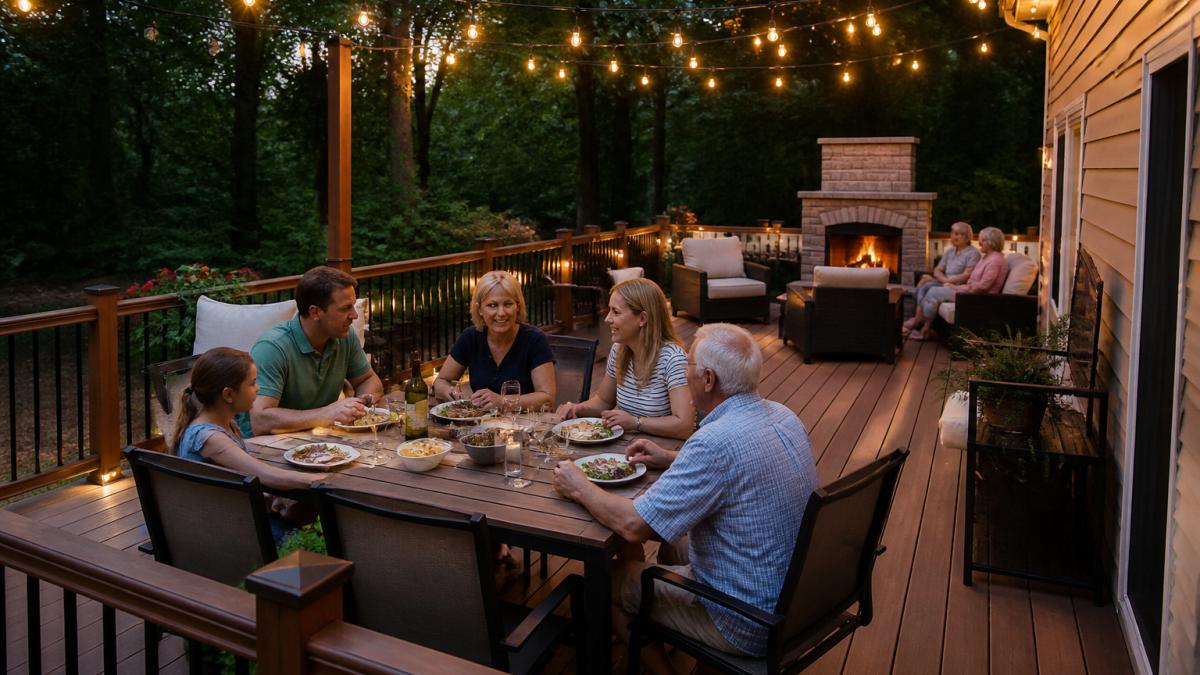
Outdoor entertaining has become central to how families live. A deck transforms your backyard from unused space into the heart of your home's social life.
The entertaining benefits compound over time. You spend more time outside. Your family gathers more frequently. Your home becomes the place where memories happen.
Deck Ideas for Outdoor Living in Your Backyard
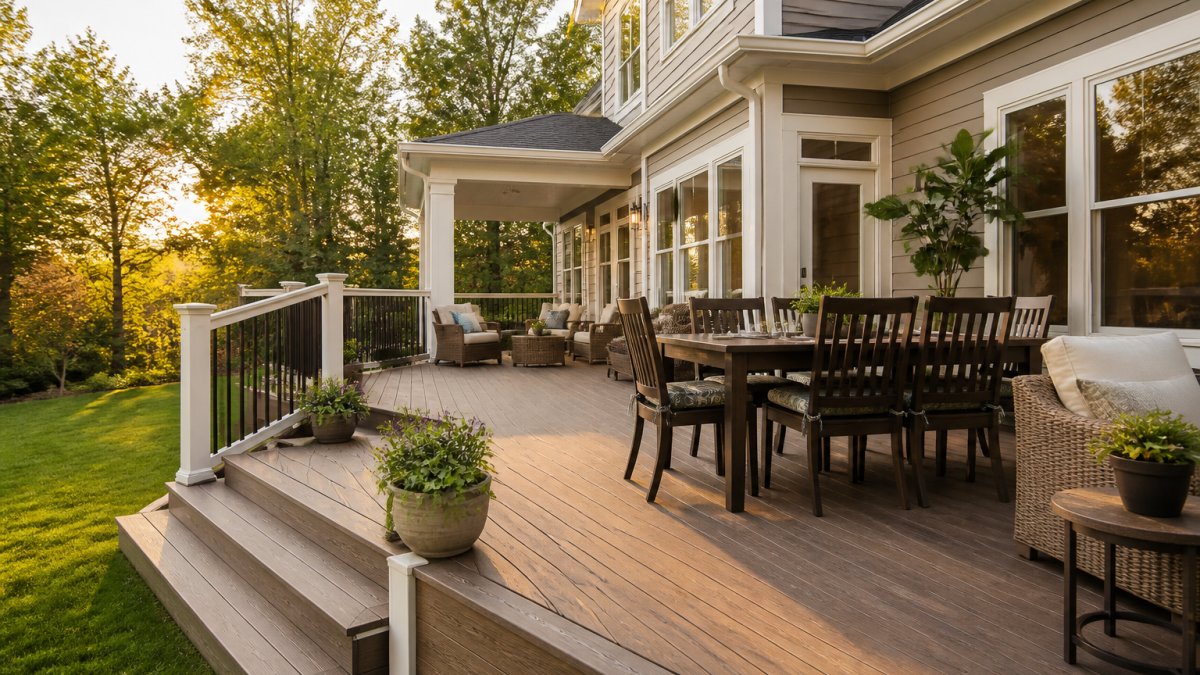
Deck design possibilities are nearly limitless, but successful designs share common elements: they match your home's style, they're sized appropriately for your yard, and they're built to withstand New Jersey's climate.
Common deck configurations include:
- Multi-level decks that create distinct entertaining and relaxation zones
- Wraparound designs that maximize usable perimeter space
- Built-in seating and storage that reduce clutter and add functionality
- Integrated shade structures (pergolas, umbrellas) for summer comfort
- Lighting integration that extends entertaining into evening hours
The best deck idea is the one that matches your actual lifestyle. If you love hosting groups, prioritize open entertaining space. If you prefer quiet mornings, incorporate a separate lounge area. If you have young children, design with safety sightlines in mind.
Old Bridge homeowners benefit from working with designers who understand local conditions. New Jersey summers are humid and hot. Winters bring freeze-thaw cycles that stress materials. A deck designed for Arizona would fail here.
PIONEER WOODWERX specializes in designing decks that thrive in New Jersey's environment. We customize each design to match your home's architecture and your family's actual entertaining patterns.
Deck Materials for New Jersey Homes: Durability and Climate
Choosing the right materials for a New Jersey deck is critical because your deck faces genuine environmental stress. Humidity, temperature swings, salt air (for coastal areas), and freeze-thaw cycles all demand materials that can handle abuse.
The primary material options are:
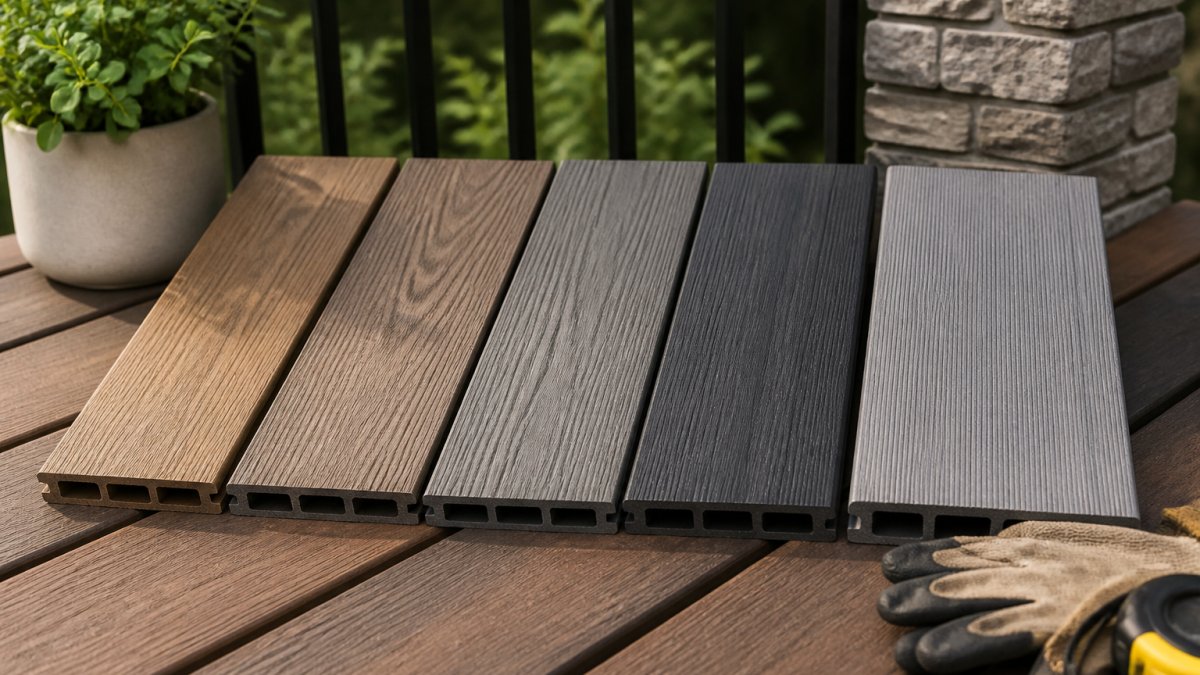
- Pressure-treated lumber - affordable, readily available, requires regular maintenance
- Cedar and redwood - attractive appearance, naturally resistant to decay, still require ongoing care
- Composite materials - low maintenance, varied quality, significantly higher upfront cost
- Real hardwoods - premium durability, exceptional appearance, highest investment
Many homeowners assume "low maintenance" means "no maintenance." That's a mistake. Every outdoor material in New Jersey requires some level of care to perform well long-term.
PIONEER WOODWERX uses 100% real wood. Real wood handles humidity fluctuations better than composite materials, which can warp or cup when exposed to seasonal moisture changes. Real wood also resists the freeze-thaw damage that composite materials sometimes experience.
The trade-off is straightforward: real wood requires periodic maintenance (staining, sealing) but delivers superior longevity and appearance. For homeowners committed to preserving their investment, real wood is the right choice.
Deck Permit Requirements in Old Bridge and Getting Started
Before you build, you need to understand local requirements.
What Old Bridge typically requires with a deck application:
- A site plan or plot plan showing the deck's location, dimensions, height, and distance from property lines
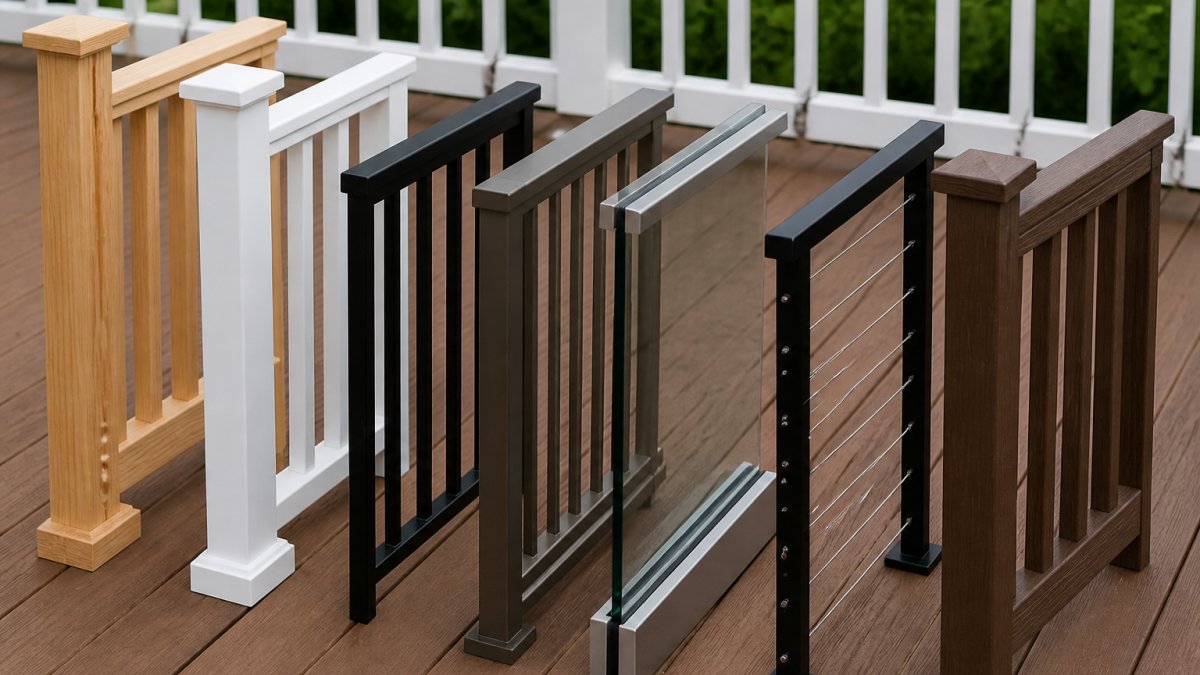
- Structural details for footings, framing, ledger attachment, and guardrails that meet IRC load and height requirements
- Proof that the deck stays within the zoning setback for your lot
- The contractor's New Jersey licensed home improvement contractor registration and the township's required business documentation
- Payment of the permit fee, which is calculated from the project valuation under the UCC fee schedule
Inspections usually follow a set sequence: footing or foundation inspection before concrete is poured, framing inspection before decking is installed, and a final inspection once railings, stairs, and guards are complete.
Timing is a common question. A straightforward residential deck permit in a Central New Jersey township often takes a few weeks from a complete application to issuance, but the actual window depends on the completeness of the submission and the Construction Office's current workload.
Skipping the permit is a costly shortcut. An unpermitted deck can surface during a municipal inspection, complicate a future sale when a buyer's inspector flags it, and create liability exposure if a guest is injured.
PIONEER WOODWERX prepares and submits permit applications, coordinates the inspection schedule, and builds to the approved plans so the deck passes final inspection without rework.
Curb Appeal, Home Aesthetics, and Long-Term Investment
A well-designed deck is one of the most visible improvements you can make to your home's exterior. It signals quality and intentionality. It tells potential buyers that this home has been maintained and improved by someone who cares.
Curb appeal matters because it shapes first impressions. A beautiful deck makes your home more inviting. It suggests that the interior has received similar attention. That perception influences how buyers value your property before they even step inside.
The aesthetic benefits extend beyond resale. You see your home differently when it has a beautiful deck. You use your outdoor space more frequently. Your family gathers there naturally. The quality of daily life improves in ways that aren't easily quantified but are genuinely meaningful.
Deck or Patio? A Decision Framework for Old Bridge Yards
Most national benefit lists treat decks and patios as interchangeable outdoor spaces. They aren't. The right choice depends on your yard's slope, your budget, how you plan to use the space, and how much upkeep you're willing to take on.
- Yard slope. A deck is usually the better fit on a sloped or uneven lot because it can be built level on posts and footings. A patio needs a relatively flat grade or significant regrading and retaining work.
- Height and access. If your main-floor door sits well above grade, a deck brings the outdoor living area up to the door. A patio at grade may require steps down, which changes how the space feels and how accessible it is.
- Budget and timeline. A ground-level patio is often less expensive and faster to build because it skips the framing and elevated structure. A deck costs more upfront but adds usable square footage that a patio at grade does not.
- Maintenance. Wood decks need periodic cleaning, sealing, and staining. Pavers and concrete patios need occasional cleaning and joint sand replenishment but no staining. Composite decking sits between the two.
- Lifespan and resale perception. Both add outdoor living value. Buyers in Central New Jersey tend to read an elevated wood deck as finished living space, while a patio reads as hardscaping. Neither is automatically better; the fit with the home and yard is what matters.
A simple rule of thumb: if your yard is flat and your door is near grade, a patio is often the practical choice. If your yard slopes, your door is elevated, or you want the outdoor space to feel like an extension of the interior, a deck usually wins.
Building for the Long Term
Long-term investment thinking means building a deck that will look good and function well for decades. That requires quality materials, skilled craftsmanship, and a design that ages gracefully rather than looking dated in five years. A deck isn't a temporary solution. It's a permanent part of your home's structure and character. Treating it as such, investing in quality materials and professional installation, ensures your deck remains an asset throughout your ownership and beyond.
Frequently Asked Questions
Does building a deck increase home value?
Yes, adding a deck typically increases your home's appeal and usable space, which can positively influence resale value. Homebuyers often view decks as valuable outdoor living extensions. However, the return on investment depends on the quality of construction, materials used, and how well the deck integrates with your home's overall design. A well-maintained deck built to code with quality materials will hold its value better than a poorly constructed one.
What are the main benefits of adding a deck to your home?
The primary benefits include expanded living space for entertaining guests, improved outdoor recreation areas for family activities, enhanced curb appeal and home aesthetics, a seamless indoor-outdoor connection, and increased property value. Decks also provide a dedicated space for relaxation, social gatherings, and enjoying your backyard year-round, making your home more functional and inviting.
Do I need a permit to build a deck in Old Bridge, New Jersey?
Yes, most deck construction in Old Bridge requires a building permit. Local zoning regulations, building codes, and safety standards govern deck height, setbacks, railing requirements, and structural specifications. Permit requirements vary based on deck size, location on your property, and proximity to property lines. Working with an experienced contractor who understands local requirements ensures your project complies with all regulations and passes inspection.
What deck materials work best for New Jersey homes?
New Jersey's humid subtropical climate and freeze-thaw cycles demand durable materials. Pressure-treated wood and composite decking are popular choices. Wood offers natural aesthetics and warmth, while composite materials require less maintenance. The best choice depends on your budget, desired appearance, and maintenance preferences.