 comparison
Custom Carpentry vs General Remodeling in NJ
Table of Contents
- Custom Carpentry vs General Remodeling: Core Differences
- Custom Carpentry: Specialized Woodworking and Architectural Details
- General Remodeling: Comprehensive Home Renovation Services
- Hiring a General Contractor in Central NJ: What to Expect
- How to Plan a Basement Remodel in New Jersey
- Aging-in-Place Modifications NJ: Safety and Accessibility
- Decision Matrix: When to Hire a Specialist vs a Generalist
- Material Durability and Quality Craftsmanship
- Frequently Asked Questions
Last Updated: September 29, 2026
Custom Carpentry vs General Remodeling: Core Differences
When homeowners in Old Bridge and across Central New Jersey plan a renovation, they face a critical decision: hire a specialized carpenter or bring in a general remodeling contractor. The choice depends entirely on your project's scope, timeline, and the specific outcomes you're after. Custom carpentry focuses on precision woodworking, while general remodeling handles full-scale transformations that involve multiple trades and structural changes. Understanding the difference between custom carpentry vs general remodeling is essential before you commit time and budget to the wrong service.
At PIONEER WOODWERX, we work with homeowners every day who are confused about which approach fits their needs. Some want custom details; others need a complete kitchen overhaul. The two services overlap in some areas, but they're fundamentally different in how they operate, what they deliver, and how long they take.
Scope of Work
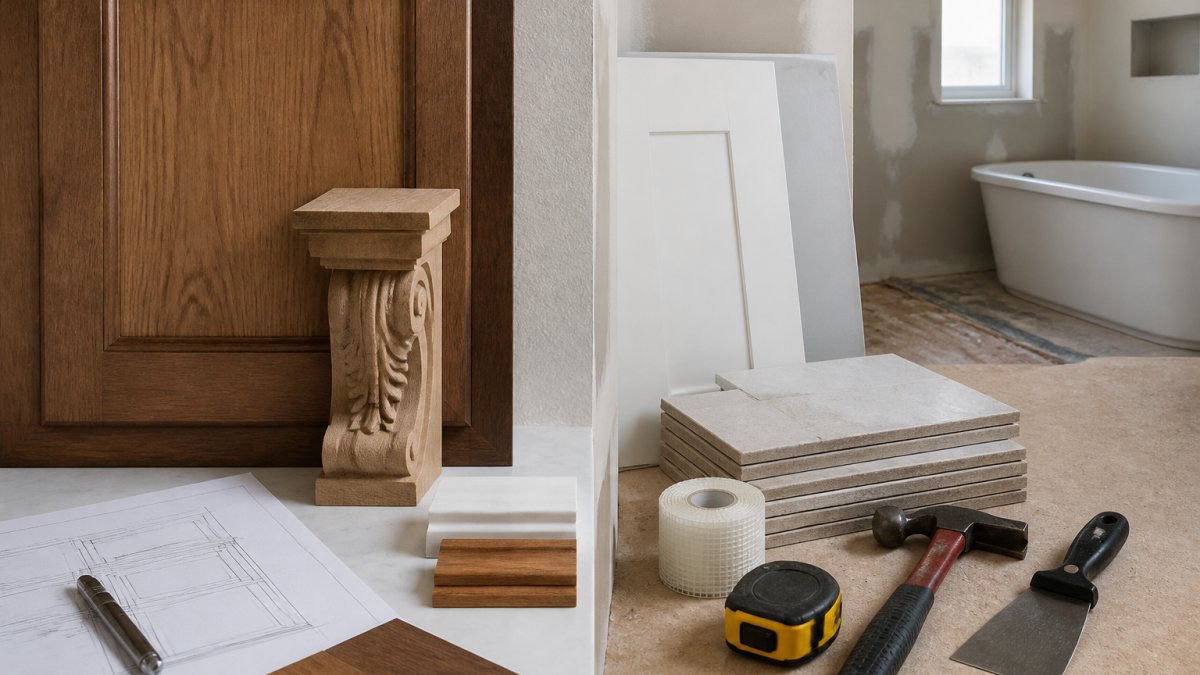
Custom carpentry is specialized. It covers select custom woodwork. A custom carpenter focuses on creating precision woodwork that elevates the aesthetic and function of a space. The work is detail-oriented and often involves custom measurements, joinery, and finishing that can't be rushed.
General remodeling is comprehensive. A general contractor manages the entire project, permits, structural work, multiple trades, timeline coordination, and final installation. They might handle framing, electrical, plumbing, drywall, flooring, and cabinetry all under one roof. Their job is to oversee the whole picture and ensure all the pieces fit together.
The key difference: custom woodwork is a specialty within a larger project. General remodeling is the orchestration of the entire project, which may or may not include custom woodwork.
Project Timeline and Coordination
Custom woodwork typically moves faster for isolated work. A custom woodwork project might take weeks, not months. The carpenter shows up, does the work, and moves on. There's minimal coordination with other trades because the work is self-contained.
General remodeling takes longer because it involves sequencing. Framing happens before electrical, electrical before drywall, drywall before trim. A single delay in one trade cascades through the timeline.
Custom Carpentry: Specialized Woodworking and Architectural Details
Custom carpentry is where precision craftsmanship meets architectural vision. This is the work that defines a room's character, the details people notice and remember. When you invest in custom carpentry, you're paying for expertise in measurement, joinery, wood selection, and finishing that transforms a standard space into something distinctive.
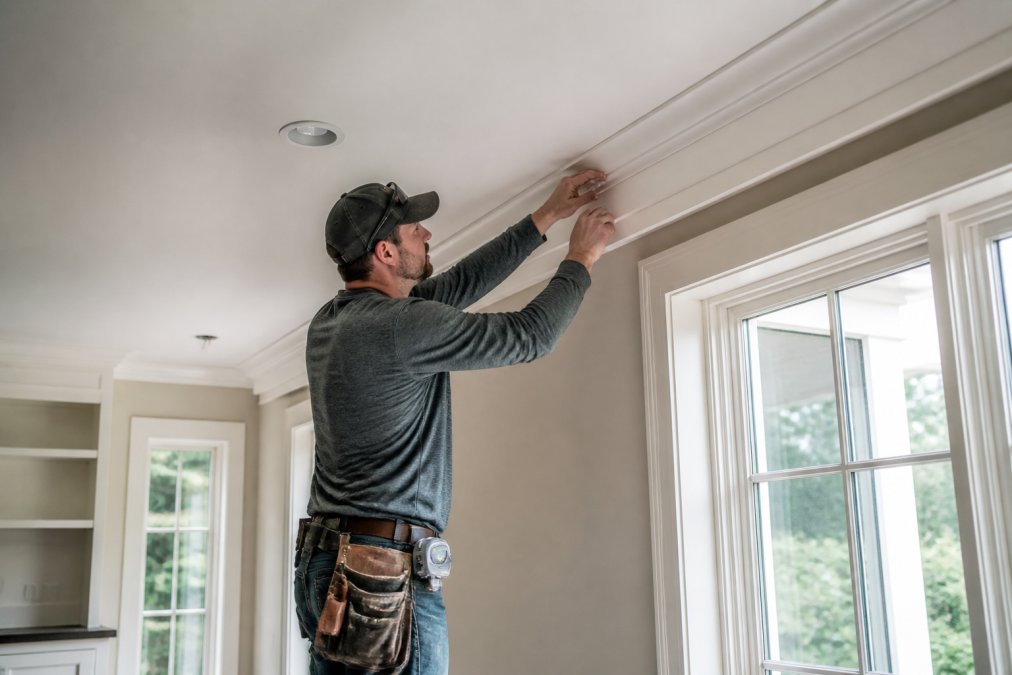
Trim Carpentry and Crown Molding
Trim carpentry is the art of finishing a space with precision. Crown molding, baseboards, casing around doors and windows, and wainscoting all fall into this category. The work requires exact measurements, proper scribing, and expert finishing. A crown molding installation isn't just nailing boards to the wall, it's understanding angles, managing transitions at corners, and ensuring every piece sits perfectly flush.
Custom Cabinetry and Built-In Furniture
Custom cabinetry is where function and design merge. Unlike stock cabinets, custom pieces are built to your exact specifications, the dimensions, wood species, hardware, and finish are all chosen for your space and needs. Built-in shelving, window seats, entertainment centers, and kitchen islands are all examples of custom woodwork that becomes a permanent part of your home.
Finish Carpentry and Architectural Details
Finish carpentry covers all the visible woodwork that completes a space, everything from the moment drywall goes up to the final stain or paint. This includes shelving, trim, doors, cabinetry, and any decorative woodwork. The quality of finish carpentry determines whether a room feels polished or unfinished.
General Remodeling: Comprehensive Home Renovation Services
General remodeling is the full-service approach. A general contractor manages permits, coordinates multiple trades, handles structural work, and oversees the entire project from start to finish. This is the service you need when your vision involves more than just woodwork, when you're transforming a space completely.
Kitchen and Bathroom Renovation
Kitchen and bathroom renovations are the most common general remodeling projects. They involve cabinetry, countertops, plumbing, electrical, tile, flooring, and often structural changes. A general contractor brings in electricians, plumbers, tile specialists, and carpenters, all coordinated under one project manager.
Structural Framing and Building Permits
When your project involves moving walls, adding structural support, or making changes that affect the home's integrity, you need a general contractor who understands structural requirements and building codes. This work requires permits and inspections. A general contractor knows what the municipality requires and how to navigate the approval process.
Hiring a General Contractor in Central NJ: What to Expect
Choosing a general contractor is a significant decision. You're entrusting them with your home, your timeline, and your budget. Understanding what to expect helps you make an informed choice.
Project Management and Coordination
A general contractor's primary job is management. They schedule trades, order materials, manage inspections, and keep the project moving forward. They're the single point of contact for all questions and issues. When something goes wrong, and something always does, the contractor figures out the solution without you having to coordinate multiple specialists.
Subcontracting and Specialized Trades
Most general contractors don't do all the work themselves. They hire subcontractors, electricians, plumbers, framers, tile specialists. The general contractor manages these relationships, ensures quality, and holds everyone accountable. Your contract is with the general contractor, not the individual subs.
How to Plan a Basement Remodel in New Jersey
A basement remodel is a significant project that often involves both structural considerations and custom finishing. Understanding the planning process helps you avoid surprises.
Design and Layout Considerations
Before you break ground, you need a clear vision. What will the basement become? A recreation room, home office, guest suite, or storage space? The intended use drives every decision, layout, lighting, moisture control, and finishing.
Building Codes and Permits
New Jersey has specific building codes for basement finishing. Egress windows, ceiling height, ventilation, electrical outlets, and fire-rated materials all have requirements. A permitted project means inspections at key stages. An unpermitted project is a liability when you sell your home.
Aging-in-Place Modifications NJ: Safety and Accessibility
Aging-in-place modifications help older adults remain safe and independent at home. These projects are specialized and often combine structural work with custom carpentry and accessibility features.
Decision Matrix: When to Hire a Specialist vs a Generalist
The choice between a custom woodwork specialist and a general contractor comes down to your project's scope and complexity.
| Project Type | Best Service | Why |
|---|---|---|
| Crown molding, trim, architectural details | Custom Carpenter | Specialized expertise in precision woodwork and finishing |
| Custom cabinetry, built-ins | Custom Carpenter | Requires design-to-installation expertise in woodworking |
| Kitchen or bathroom remodel | General Contractor | Involves multiple trades, permits, and complex coordination |
| Basement finishing | General Contractor | Requires structural planning, permits, and trade coordination |
| Aging-in-place modifications | General Contractor (specialized) | Combines structural work, safety features, and custom finishing |
| Whole-home renovation | General Contractor | Full-scope project requiring permit management and trade coordination |
| Adding architectural details to existing remodel | Both (Carpenter + Contractor) | Contractor manages overall project; carpenter handles precision details |
Choosing Custom Carpentry for Specialized Details
Choose a custom carpenter when your project is focused and detail-oriented. You know exactly what you want, a specific type of cabinetry, trim style, or architectural feature. The work is self-contained and doesn't require permits or coordination with other trades.
Choosing General Remodeling for Full-Scope Projects
Choose a general contractor when your project involves multiple systems, plumbing, electrical, structural, flooring, cabinetry. You need someone to manage the complexity, secure permits, coordinate trades, and keep everything on schedule.
Material Durability and Quality Craftsmanship
The durability of your finished project depends on two things: the materials chosen and the skill of the person installing them.
Frequently Asked Questions
What's the difference between a custom carpenter and a general contractor in NJ?
A custom carpenter specializes in detailed woodworking like trim installation, crown molding, custom cabinetry, and built-in furniture. A general contractor oversees full home renovation projects, managing multiple trades, building permits, and structural work. Custom carpenters focus on finish quality and architectural details; general contractors coordinate the entire project scope and timeline.
When should you hire a custom carpenter for a home renovation?
Hire a custom carpenter when your project involves specialized woodwork such as custom built-ins, architectural trim, crown molding installation, or bespoke cabinetry. If you need finish carpentry details that enhance the aesthetic quality of specific rooms, a specialist ensures precision and craftsmanship. For projects combining structural work, multiple trades, and complex coordination, a general contractor is more appropriate.
What are the benefits of hiring a veteran-owned contractor for NJ home improvements?
Veteran-owned contractors bring discipline, project management experience, and accountability to home improvement work. Many veteran contractors prioritize reliability, on-time completion, and transparent communication. They often understand the importance of quality craftsmanship and attention to detail, skills developed through military service that translate directly to dependable home construction and remodeling.
Does a general remodeling project in New Jersey require custom carpentry?
Not all general remodeling projects require custom carpentry. Large-scale renovations like kitchen or bathroom overhauls may include some finish carpentry, but standard cabinetry and trim work often suffice. Custom carpentry becomes valuable when you want tailored details, built-in solutions specific to your space, or architectural finishes that reflect your home's unique character and design vision.
What are some red flags when hiring a general contractor?
Watch for contractors who cannot provide references, avoid written estimates, demand large upfront deposits, or lack proper licensing and insurance. Red flags also include vague timelines, reluctance to discuss building permits, and inability to explain their project management process. A reliable contractor provides clear communication, detailed scope documentation, and transparency about New Jersey building codes and compliance requirements.