 listicle
Hire a Custom Carpenter in Central Jersey: 2026 Guide
Table of Contents
- What to Expect When You Hire a Custom Carpenter in Central Jersey
- Cost of Custom Built-Ins and Other Carpentry Projects
- How to Vet a Home Renovation Contractor Before You Sign
- Aging in Place Remodeling Services: What Custom Carpenters Can Do
- Material Selection: Choosing the Right Wood for Your Project
- Project Timeline Expectations and Maintenance for Custom Woodwork
- Why PIONEER WOODWERX Stands Out for Custom Carpenter Work in Central Jersey
- Frequently Asked Questions
Last Updated: September 1, 2026
What to Expect When You Hire a Custom Carpenter in Central Jersey
Hiring a custom carpenter is one of the most consequential decisions you'll make during a home renovation. At PIONEER WOODWERX, we work with homeowners across Middlesex, Monmouth, and Union Counties every week, and the same frustrations come up repeatedly: contractors who overpromise, timelines that slip, and particle board dressed up as "custom" work.
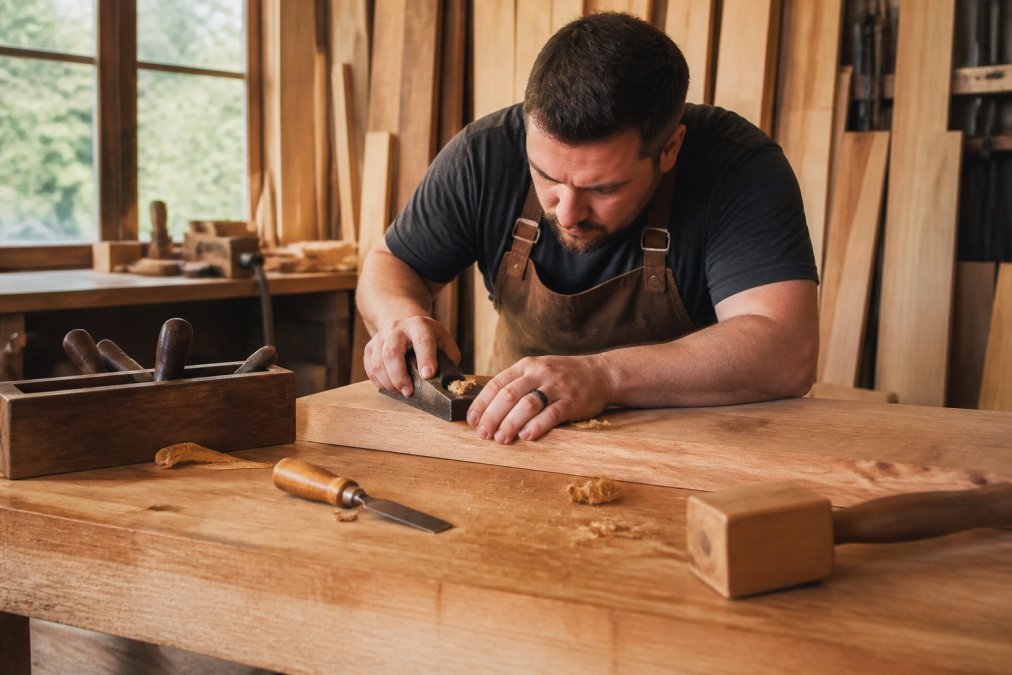
A custom carpenter designs and builds wood structures, furniture, and architectural details to your exact specifications using real materials rather than prefabricated components. This distinction determines durability, fit, and whether the piece will look exceptional in twenty years.
This guide covers carpentry service types, project costs, contractor vetting, licensing requirements, material selection, and what separates quality craftsmanship from expensive mediocrity.
Carpentry Services Most Homeowners Actually Need
Finish carpentry covers crown molding, trim work, wainscoting, and door casing. Structural work includes framing, deck construction, and load-bearing modifications. Custom millwork and built-in cabinetry require both precision woodworking and understanding how a space will be used.
The highest-demand services are built-in cabinetry and custom shelving, which solve real storage problems while adding permanent home value. Custom wood furniture, from farmhouse dining tables to bedroom sets, is another high-demand category, particularly for homeowners tired of mass-produced pieces that fail within years.
Residential vs. Commercial Carpentry: Key Differences
Residential and commercial carpentry share core skills but diverge on code requirements, material specs, and project scale. Residential work prioritizes aesthetics and fit; commercial projects face stricter fire codes and durability standards due to higher traffic.
For most homeowners, residential carpentry is relevant. A residential carpenter with commercial experience typically has broader expertise with permitting and structural considerations, which reduces surprises on complex projects.
Cost of Custom Built-Ins and Other Carpentry Projects
Custom built-ins and carpentry work costs vary widely depending on wood species, project complexity, and scope. Pricing is project-based, and any flat-rate quote without seeing your space is a guess.
Simpler pieces like floating shelves or basic trim work sit at the lower end. Mid-range projects such as custom bookcases or kitchen cabinet installation require more material and labor. Full built-in cabinetry systems, custom entertainment centers, or complete kitchen renovations represent the upper tier. Request a detailed quote after an in-person or virtual consultation.
According to the National Association of the Remodeling Industry's project cost guidance, homeowners consistently underestimate the labor component of custom woodworking, which can represent half or more of total project cost.
What Drives the Price Up (or Down)
| Factor | Effect on Cost | What to Ask |
|---|---|---|
| Wood species (hardwood vs. softwood) | Significant upward pressure with exotic hardwoods | Ask for domestic alternatives |
| Project complexity and joinery type | More complex joinery adds labor hours | Request a breakdown of labor vs. materials |
| Finishing requirements | Staining, sealing, and painting add time | Confirm what's included in the quote |
| Site access and installation conditions | Difficult access increases labor cost | Disclose any access constraints upfront |
| Custom design vs. modified standard | Full custom costs more than adapted templates | Discuss how flexible the design can be |
Wood species is the single biggest cost driver. Domestic hardwoods like oak, maple, and cherry cost significantly less than imported species and perform equally well for most interior applications. A good carpenter will walk you through tradeoffs honestly.
How to Vet a Home Renovation Contractor Before You Sign
The biggest mistake homeowners make is treating the lowest bid as the best deal. A low quote that doesn't survive contact with the actual project is not a bargain. Use this vetting checklist before signing:
- Verify the contractor holds a valid New Jersey Home Improvement Contractor (HIC) registration
- Confirm general liability insurance and workers' compensation coverage are current
- Request references from projects completed in the past 12 months
- Ask for a written contract specifying scope, materials, timeline, and payment schedule
- Confirm who performs the work: the contractor directly or subcontractors
- Review the project quote line by line and ask about vague line items
- Check for complaints with the New Jersey Division of Consumer Affairs
A contractor who resists these requests is telling you something important.
Licensing and Insurance: What New Jersey Requires
New Jersey requires all home improvement contractors to register with the New Jersey Division of Consumer Affairs Home Improvement Contractor program. This applies to any contractor performing work valued at $500 or more on residential property.
Verify that the contractor carries general liability insurance and workers' compensation. If a worker is injured on your property and the contractor lacks workers' comp coverage, you may be exposed to liability. Request certificates of insurance directly from the insurer.
For structural work, deck construction, or any project requiring a building permit, your municipality's building department will require proof of proper licensing before issuing the permit.
Questions to Ask Before Any Work Begins
- How do you handle timeline delays if materials are backordered?
- What does your payment schedule look like, and do you require a deposit before work starts?
- Who is my point of contact if I have concerns during the project?
- Have you completed similar projects? Can I speak with that homeowner?
- What happens if the finished piece doesn't match what we agreed on?
Strong contractors welcome direct questions. Confidence, specificity, and willingness to put things in writing are the signals you want.
Aging in Place Remodeling Services: What Custom Carpenters Can Do
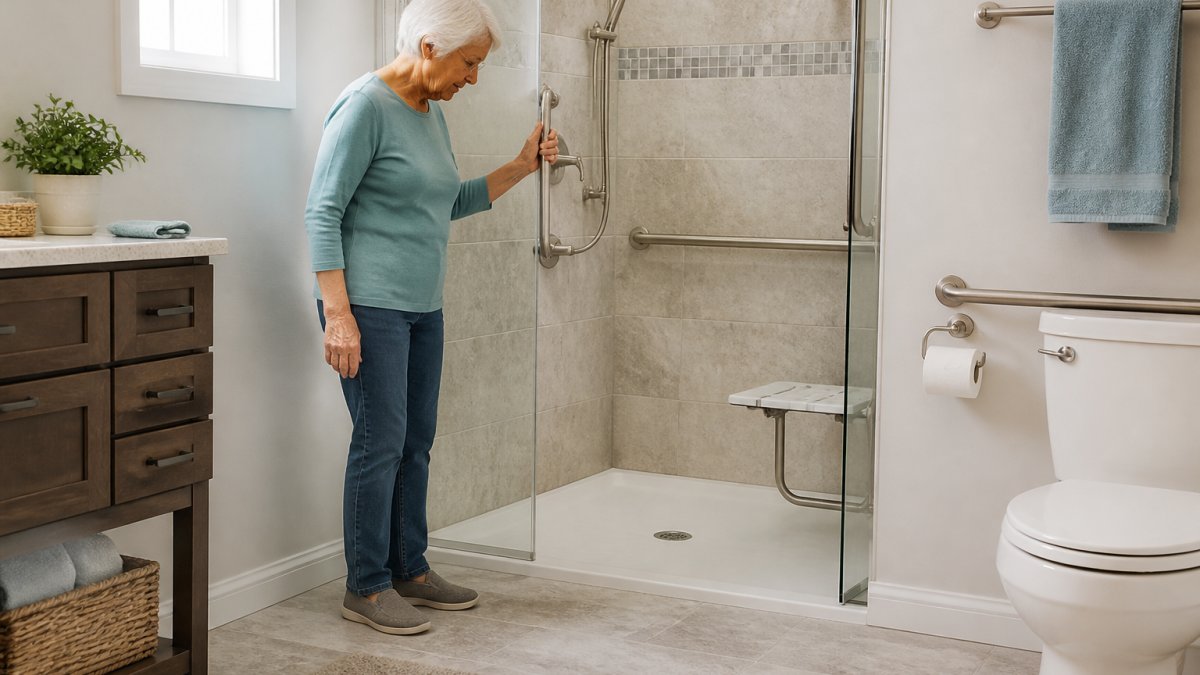
Aging in place remodeling services are home modifications designed to allow older adults or individuals with mobility challenges to live safely and independently in their own homes. A skilled custom carpenter can deliver modifications that are both functional and visually integrated.
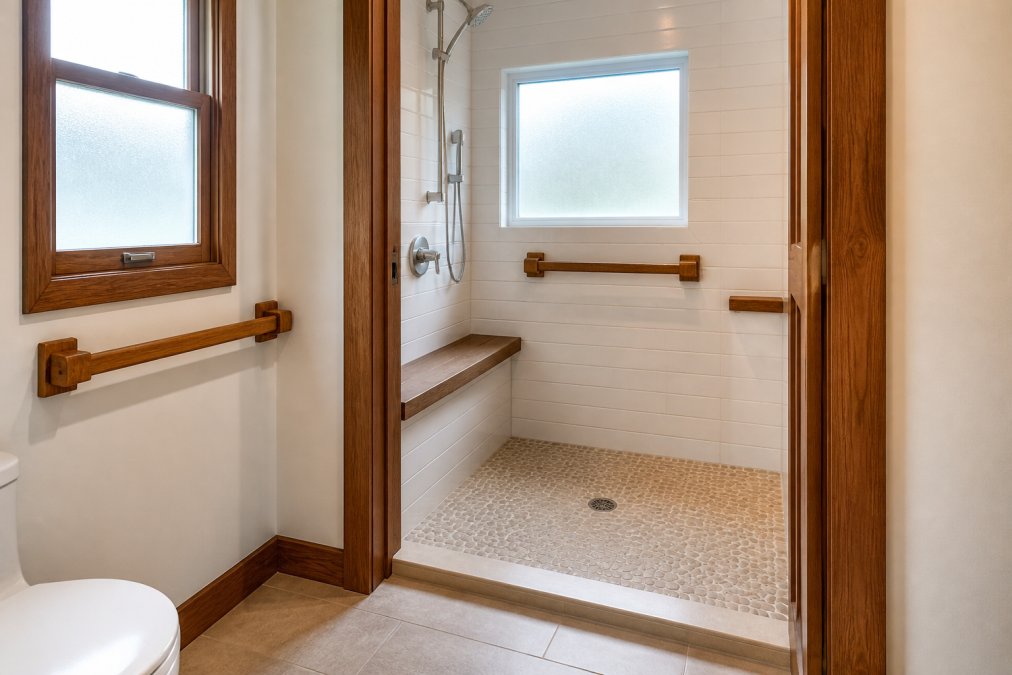
Custom grab bars built from solid hardwood and anchored into wall studs look like intentional design choices, not safety afterthoughts. Built-in bench seating in showers and entryways eliminates fall risks while adding storage. Wider door framing accommodates wheelchairs and walkers. Custom ramp systems blend with existing deck construction rather than appearing as add-ons.
For families navigating this for aging parents, a carpenter who specializes in this work is the right call. Carpenters handle permanent structural improvements; medical suppliers handle removable equipment.
According to the AARP Public Policy Institute's home modification research, most adults prefer to remain in their own homes as they age, and targeted home modifications are among the most cost-effective interventions for extending that independence.
Material Selection: Choosing the Right Wood for Your Project
Wood selection affects durability, finishing options, maintenance requirements, and how the piece ages. Understanding the basics puts you in a better position to make a decision that fits your life.
Hardwoods (oak, maple, cherry, walnut) are standard for custom furniture, built-in cabinetry, and finish carpentry. Oak is durable and takes stain well. Maple is dense and resists dents. Cherry develops a rich patina over time. Walnut is a premium option with distinctive grain.
Softwoods (pine, cedar, fir) are appropriate for structural framing, painted trim work, and outdoor applications. Cedar's natural moisture resistance makes it ideal for decks. Softwoods cost less but are more prone to denting in high-traffic areas.
Domestic vs. exotic species: Domestic hardwoods are more sustainable, easier to source, and typically less expensive than exotic imports. For most residential projects, domestic species perform as well or better.
The finish matters as much as the species. A well-applied oil finish on domestic oak will outlast a rushed polyurethane coat on imported hardwood. Ask your carpenter about their finishing process before fixating on wood species alone.
Project Timeline Expectations and Maintenance for Custom Woodwork
Custom work takes time. A piece built to your exact specifications from real wood with proper joinery and finishing cannot be produced at factory speed. Most bad experiences stem from unrealistic timelines, not poor craftsmanship.
Custom furniture projects typically run several weeks from design confirmation to delivery, depending on complexity, shop workload, and finishing requirements. Built-in cabinetry and full renovation projects involve additional variables: permit timelines, material lead times, and coordination with other trades.
What you can do to keep your project on track:
- Finalize design decisions before work begins. Mid-project changes are the most common cause of delays.
- Understand material lead time for your chosen wood species before setting a completion date.
- Build a buffer into your timeline. Plan for the project to finish one to two weeks later than quoted.
Maintaining custom woodwork after installation:
Dust regularly with a soft cloth. Clean with a slightly damp cloth and dry immediately. Apply quality furniture oil or wax every six to twelve months. Avoid placing wood furniture in direct sunlight for extended periods.
For exterior woodwork like decks, reseal or restain every two to three years. Inspect annually for moisture intrusion, particularly at joints and end grain.
Why PIONEER WOODWERX Stands Out for Custom Carpenter Work in Central Jersey
Most providers fall into two categories: general handyman services offering carpentry as one of many services, or large remodeling firms where your project is managed by someone who has never touched wood. PIONEER WOODWERX is neither.
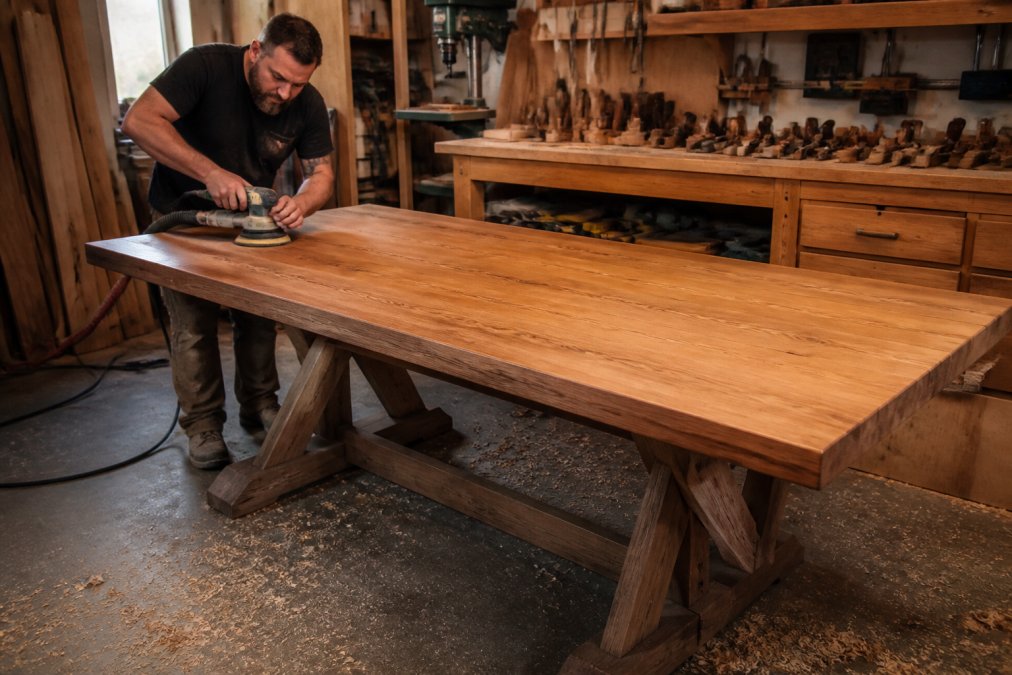
PIONEER WOODWERX is a veteran-owned business based in Middlesex County that builds every piece from 100% real wood, custom to your specifications. No particle board, no veneers dressed up as solid wood, and no prefabricated components installed as custom work.
The service range covers custom furniture from farmhouse tables to dining sets, full home renovation including kitchens and bathrooms, deck construction, and specialized aging-in-place remodeling. You don't need multiple contractors for a project spanning woodworking and renovation.
Being veteran-owned shapes how the business operates: commitments are kept, timelines are communicated honestly, and work is done to a standard that doesn't require a second visit to fix what the first one should have gotten right.
What makes PIONEER WOODWERX the right choice:
- 100% real wood on every project, no exceptions
- Custom builds designed around your specifications, not adapted from a catalog
- Aging-in-place remodeling expertise that most general carpenters don't offer
- Full renovation services that eliminate the need for multiple contractors
- Veteran-owned and operated, with the accountability that comes with that
The free consultation is the right starting point. Bring your ideas, space dimensions, and questions about budget and timeline. PIONEER WOODWERX will give you honest answers before any commitment is made.
Homeowners who want to hire a custom carpenter in Central Jersey face a real challenge: the market is full of providers who can build something, but far fewer who will build it right, on time, and with transparency. PIONEER WOODWERX addresses that gap directly with 100% real wood construction, full renovation capabilities, and specialized aging-in-place remodeling services. Request a free consultation with PIONEER WOODWERX and get a clear picture of what your project will actually take before you sign anything.
Frequently Asked Questions
What should I look for when hiring a custom carpenter in Central Jersey?
Check that the carpenter holds a valid New Jersey Home Improvement Contractor (HIC) registration and carries both general liability and workers' compensation insurance. Ask to see a portfolio of completed projects similar to yours, request at least two references you can actually call, and get a written contract that spells out scope, materials, timeline, and payment schedule. A reputable custom carpenter will welcome every one of those requests without hesitation.
How do I get an accurate quote for custom built-ins or other carpentry work?
The cost of custom built-ins depends on wood species, cabinet dimensions, finish complexity, and hardware. To get a meaningful quote, come prepared with room measurements, photos of the space, and a clear idea of the style you want. Most quality carpenters offer a project consultation before quoting. Avoid any contractor who quotes a firm price over the phone without seeing the space, that figure will almost certainly change once work begins.
Do custom carpenters handle aging-in-place modifications, or do I need a medical equipment company?
A custom carpenter who specializes in aging in place remodeling services can handle the structural and aesthetic side of modifications, grab bars built into custom framing, wider doorways, roll-under cabinetry, built-in seating, and slip-resistant flooring installation. Medical equipment suppliers handle devices like hospital beds or lift chairs. For home modifications that blend safety with quality craftsmanship, a skilled carpenter is exactly who you need.
How long does a custom carpentry project typically take from consultation to completion?
Timeline varies by project scope. A single custom furniture piece, such as a farmhouse table or built-in bookcase, generally takes four to ten weeks from design approval to delivery, accounting for material sourcing and finishing. A full kitchen or bathroom renovation can run eight to sixteen weeks. Any contractor who promises dramatically faster turnaround on complex custom work should explain exactly how they plan to meet that schedule without cutting corners on materials or craftsmanship.
What is the difference between a general contractor and a custom carpenter?
A general contractor manages the full scope of a renovation, coordinating subcontractors, pulling permits, and overseeing every trade on site. A custom carpenter focuses specifically on woodworking: finish carpentry, trim work, built-in cabinetry, custom furniture, and structural framing. Some custom carpenters, like full-service renovation shops, hold a general contractor license and can manage the entire project. If your job involves multiple trades, confirm upfront whether your carpenter can serve as the general contractor or whether you will need to hire one separately.
This article was written using GrandRanker