 blog
Home Renovation Contractors in Central Jersey
Table of Contents
- What Sets Home Renovation Contractors Apart
- Bathroom Remodel NJ: Choosing the Right Contractor
- Hiring a General Contractor in NJ: What to Evaluate
- Home Renovation Project Management Tips
- Aging-in-Place Home Modifications NJ
- Key Services: Decks, Kitchens, Basements, and More
- Conclusion: Building Trust With Your Contractor
- Frequently Asked Questions
Last Updated: September 28, 2026
What Sets Home Renovation Contractors Apart
When you're planning a major home renovation, choosing the right contractor often determines whether your project succeeds or becomes a source of stress and regret. The difference between a contractor who delivers on time and budget versus one who doesn't typically comes down to three factors: clear communication, proven project management, and genuine accountability.
At PIONEER WOODWERX, we've learned that homeowners in Central New Jersey prioritize transparency above all else. They want to know exactly what to expect before work begins, how long it will take, and what happens if timelines shift. The best home renovation contractors operate with this mindset built into every phase of work.
What separates exceptional contractors from average ones isn't just skill, it's how they approach the relationship with you. A contractor who listens during the initial consultation, asks detailed questions about your vision, and explains trade-offs clearly is already demonstrating the professionalism you should demand.
Bathroom Remodel NJ: Choosing the Right Contractor
A bathroom remodel is one of the most intimate home renovation projects you'll undertake. Your contractor needs to understand not just the technical requirements, but also how the space will function for your family every single day.
When evaluating contractors for a bathroom remodel, look for those who ask about your daily routine, not just your aesthetic preferences. Do you need accessibility features? Is storage a priority? How important is natural light? These questions reveal whether a contractor thinks beyond tile and fixtures.
The best bathroom remodel contractors in New Jersey understand local building codes and permitting requirements specific to your municipality. Bathroom work often requires inspections for plumbing, electrical, and ventilation, a contractor familiar with your local inspector's standards will navigate approvals more smoothly.
Common mistakes homeowners make when hiring for bathroom work include underestimating the importance of waterproofing and ventilation. A beautiful bathroom that develops mold within two years isn't beautiful at all. Ask potential contractors about their approach to moisture management and request references from past bathroom projects specifically.
Hiring a General Contractor in NJ: What to Evaluate
Hiring a general contractor in New Jersey requires evaluating far more than their portfolio. While past work matters, how they manage current projects, communicate with clients, and navigate the regulatory landscape reveals their true capability.
Start by asking about their approach to project management. Do they use scheduling software? How often will they update you on progress? Will you have a single point of contact or rotate through different team members? These operational details directly impact your experience.
Check for proper licensing and insurance. New Jersey requires general contractors to be licensed through the state. Verify this on the New Jersey Division of Consumer Affairs website, which maintains the official registry of licensed contractors. Insurance protects both you and the contractor; demand proof of general liability and workers' compensation coverage before any work begins.
Permitting and Municipal Code Navigation, A Critical Differentiator
One of the most overlooked aspects of contractor evaluation is their familiarity with local permitting requirements and municipal codes. Central New Jersey municipalities, including areas like Middlesex, Union, and Somerset counties, each maintain different building codes, permit timelines, and inspection standards. A contractor who understands these local variations can prevent costly delays and compliance issues.
Ask potential contractors these specific questions:
- Have you worked in your municipality before, and are you familiar with the local building department's requirements?
- What is the typical permit timeline for a project like mine, and how do you factor this into your schedule?
- Do you handle permit applications, or do you expect the homeowner to manage this?
- Have you worked with your municipality's inspectors on similar projects, and do you understand their specific code interpretations?
For example, bathroom remodels in some Central NJ municipalities require separate permits for plumbing, electrical, and ventilation work, each with its own inspection cycle. A contractor unfamiliar with this sequence might schedule work inefficiently, adding weeks to your timeline. Kitchen renovations involving gas lines trigger additional inspections in many jurisdictions. Deck construction in certain areas requires soil engineering reports or specific setback distances from property lines.
The best contractors maintain relationships with local building departments and understand how inspectors in your specific municipality interpret the New Jersey Building Code. This knowledge is worth far more than a generic portfolio.
Ask about their subcontractor management practices. Most general contractors work with specialized subcontractors for electrical, plumbing, and HVAC work. How do they vet these subcontractors? Do they maintain long-term relationships or hire different crews for every project? Consistency in your subcontractor team often means better communication and quality.
Request at least three references from completed projects similar in scope to yours, ideally from your municipality or a neighboring one. When you call these references, ask specific questions: Did the project stay on schedule? Were there unexpected costs or permit delays? How responsive was the contractor to questions and concerns? Would they hire this contractor again?
| Evaluation Criteria | What to Look For | Red Flags |
|---|---|---|
| Licensing | Current NJ contractor license verified | No license or expired license |
| Insurance | General liability + workers' comp proof | Unwilling to provide documentation |
| Local Permitting Knowledge | Familiarity with your municipality's codes and inspector standards | Vague about local requirements or no local project history |
| References | 3+ completed projects of similar scope in your area | Vague references or projects from outside your region |
| Communication | Clear process for updates and questions | Slow to respond or unclear about contact |
| Subcontractors | Long-term relationships with specialists | Different crews for every project |
| Timeline | Realistic schedule with permit buffer built in | Unrealistic promises or no mention of permit time |
Home Renovation Project Management Tips
The difference between a renovation that feels chaotic and one that runs smoothly is almost always project management. Even the most skilled craftspeople need clear direction and coordination. Beyond scheduling and communication, understanding cost management and realistic budget expectations separates successful projects from those that spiral.
Establish a single point of contact with your contractor. This person should be the only one you communicate with about changes, questions, and concerns. When multiple team members are involved in communication, messages get lost and expectations diverge. One clear channel prevents most misunderstandings.
Create a detailed project schedule before work begins and review it together with your contractor. The schedule should include major phases: demolition, rough-in work, inspections, finishing, and final walkthrough. Understand which phases are dependent on others and which can overlap. A contractor who can explain this logic demonstrates genuine planning. Critically, the schedule should account for permit approval timelines and inspection windows, which are often the longest lead items in Central NJ projects.
Understanding Renovation Costs and Budget Transparency
One of the largest gaps between homeowner expectations and contractor communication is cost clarity. Most contractors offer "free estimates," but few provide transparent pricing frameworks that help you understand what you're paying for and how costs compare regionally.
Before work begins, request a detailed cost breakdown that separates:
- Labor (hourly rates or project-based fees)
- Materials (with unit costs and quantities)
- Permits and inspections
- Subcontractor fees (electrical, plumbing, HVAC)
- Contingency buffer (typically 10-15% for unforeseen issues)
This transparency serves two purposes: it prevents sticker shock when invoices arrive, and it allows you to make informed decisions about where to invest and where to economize.
Establish a process for handling change orders in advance. Changes happen during renovations, walls reveal unexpected issues, you decide you want something different, or new information emerges. Agree upfront that all changes must be documented in writing with a clear cost and timeline impact before work proceeds. This protects both you and the contractor.
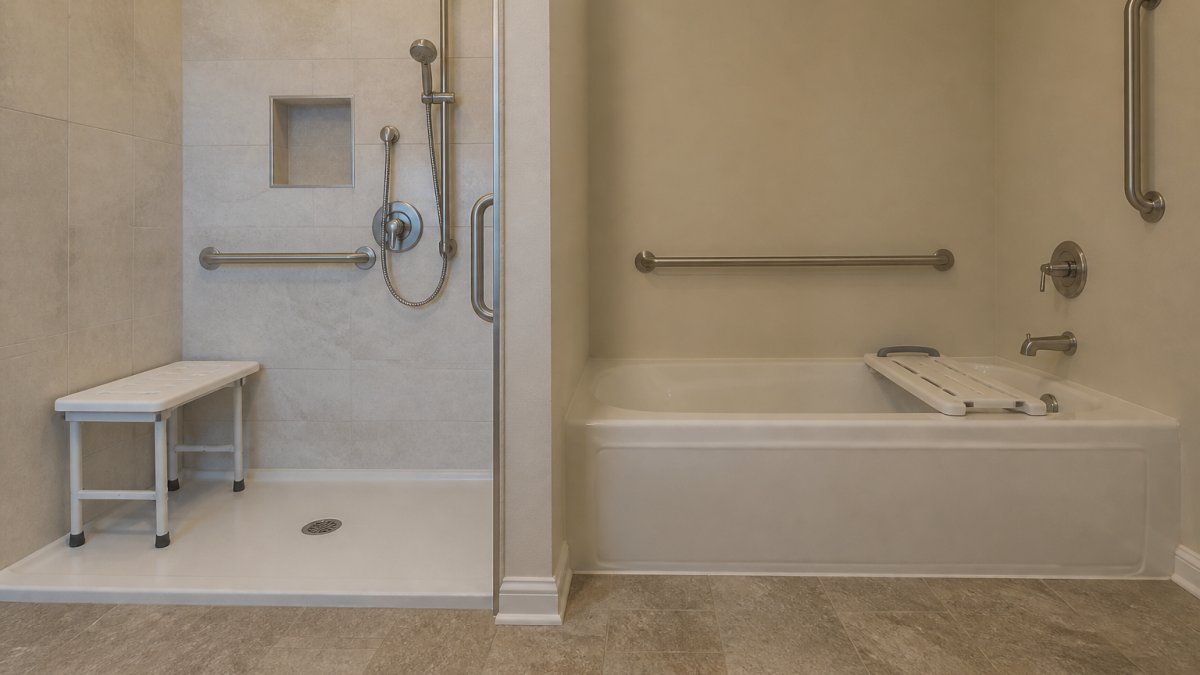
Aging-in-Place Home Modifications NJ
Aging-in-place modifications are among the most meaningful renovations homeowners undertake. These projects directly impact safety, independence, and quality of life for older adults.
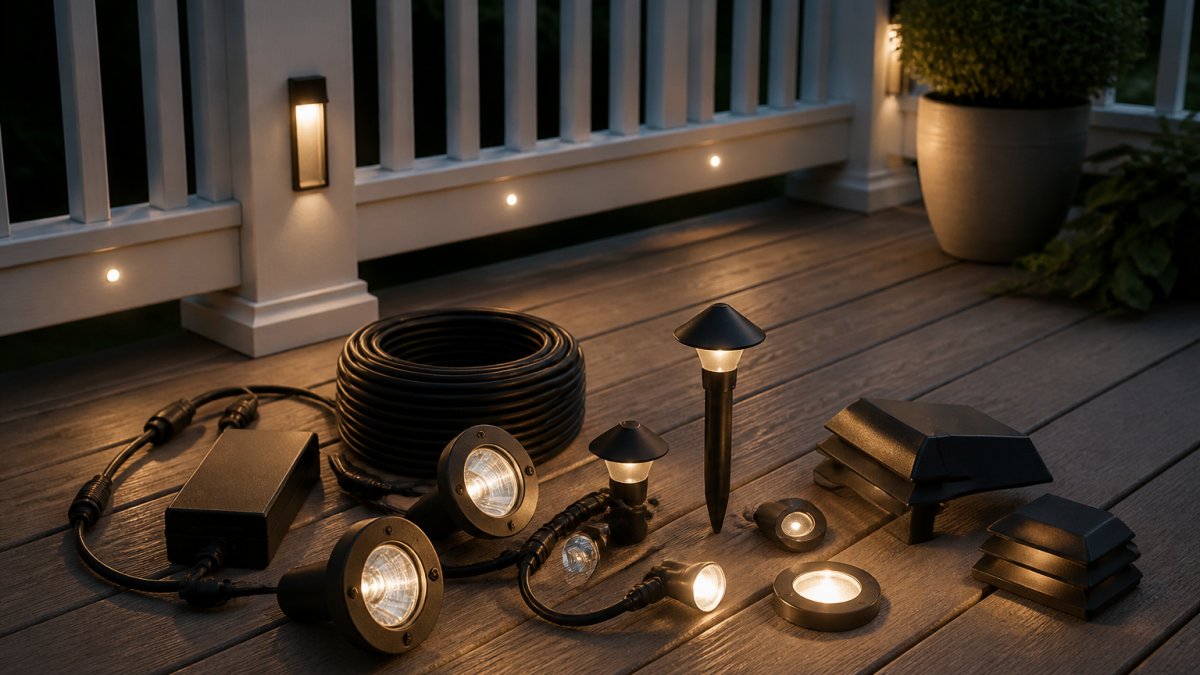
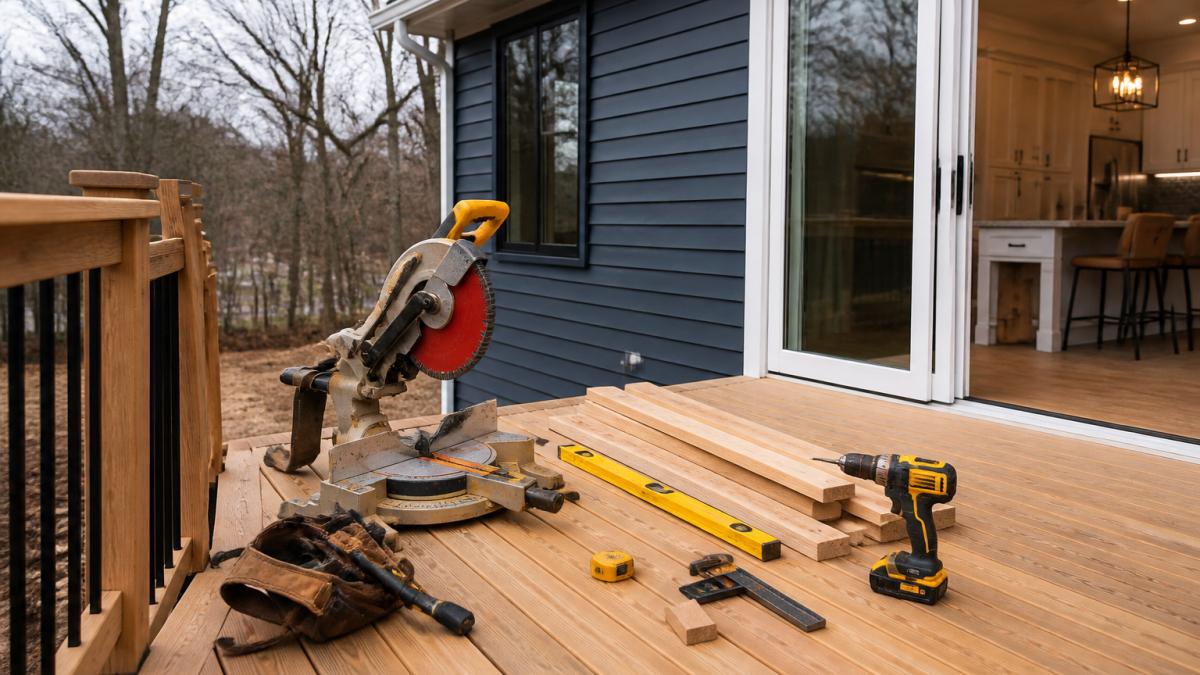
Key Services: Decks, Kitchens, Basements, and More
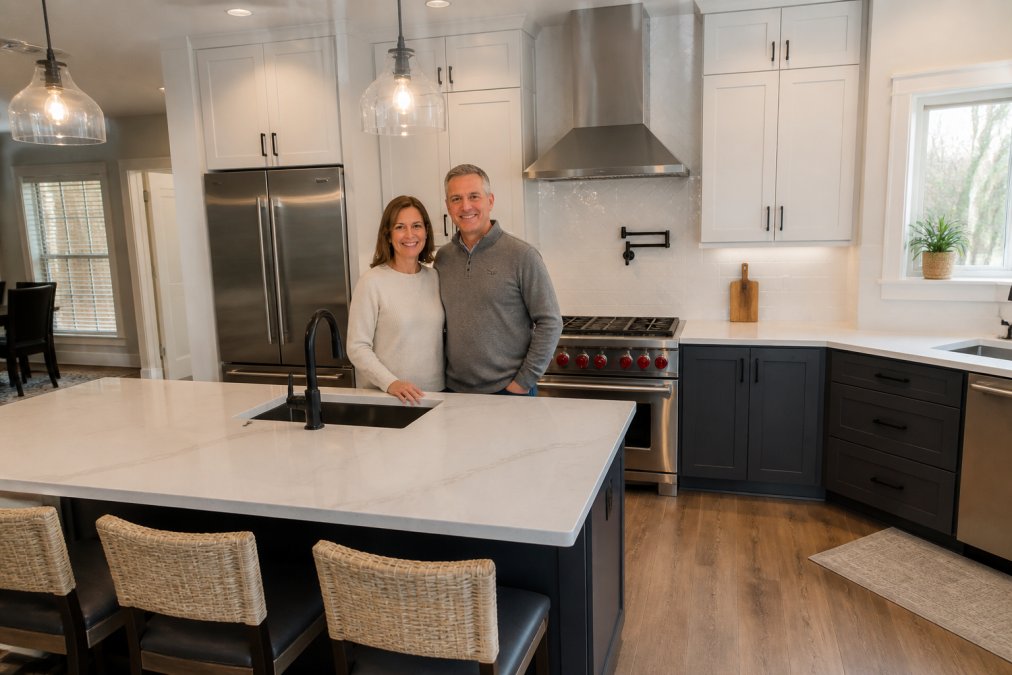
The most successful home renovation contractors in Central New Jersey offer a comprehensive range of services rather than specializing narrowly. This allows them to manage complex projects where multiple systems interact.
Conclusion: Building Trust With Your Contractor
Choosing a home renovation contractor is ultimately about trust. You're inviting someone into your home for weeks or months, committing significant resources, and depending on their expertise to deliver results that will last for years.
Frequently Asked Questions
What should I look for when hiring a general contractor in Central New Jersey?
Verify licensing through the New Jersey Division of Consumer Affairs. Check references from completed projects in your area. Confirm they carry liability insurance and workers' compensation. Ask how they handle project management, timeline accountability, and budget adherence. A contractor who schedules a thorough site inspection and provides a detailed scope of work before estimating is worth serious consideration.
What is the 30% rule in home renovation?
The 30% rule suggests that home renovation costs should not exceed 30% of your home's current market value. This helps ensure your renovation adds proportional value to your property. However, exceptions exist for aging-in-place modifications, which prioritize safety and accessibility over resale value.
How do I verify a contractor's license in New Jersey?
Contact the New Jersey Division of Consumer Affairs or visit their online license verification system. You can search by contractor name or license number. Verify the license is current and active, and check for any disciplinary history. A licensed contractor demonstrates they meet state standards for insurance, bonding, and professional conduct.
What makes a veteran-owned remodeling company different?
Veteran-owned contractors often bring discipline, project management experience, and accountability from military service. Many veterans prioritize reliability and transparent communication with clients. They understand the importance of meeting timelines and staying within scope. Working with a veteran-owned contractor can provide peace of mind that your project will be managed with the same attention to detail and commitment to mission that defines military work.