 ultimate-guide
Kitchen Remodel Timeline Expectations 2026: Real Guide
Table of Contents
- Kitchen Remodel Timeline Expectations 2026: The Short Answer
- Kitchen Renovation Phases: What Happens in Each Stage
- How Long Does a Kitchen Remodel Take? Cosmetic vs. Full-Scale
- What Changes Your Kitchen Remodel Timeline
- Kitchen Remodeling Supply Chain Delays 2026: What to Expect
- Hiring a General Contractor in Old Bridge NJ: Timeline Questions to Ask
- Living Through a Kitchen Renovation Without Losing Your Routine
- Frequently Asked Questions
Last Updated: September 15, 2026
Kitchen Remodel Timeline Expectations 2026: The Short Answer
Most homeowners planning a kitchen remodel timeline should expect eight to sixteen weeks of active construction, plus four to eight weeks of design and permitting before a single cabinet comes out (hgtv.com). This guide from PIONEER WOODWERX breaks down each phase for homeowners across Central New Jersey, including Old Bridge, where local permit review adds its own wrinkle.
Here's the part most timelines skip: the calendar time a project consumes is rarely the same as the construction time. Design decisions, material lead times, and inspection scheduling fill the gaps. Below, we'll show you exactly how each phase runs and where projects typically stall.
Kitchen Renovation Phases: What Happens in Each Stage
Every kitchen renovation phases into three distinct stages: design and permitting, demolition and rough-in, and installation and final walkthrough. Each stage has its own timeline drivers, and delays in one push everything downstream.
Design and Permitting
Design typically takes two to four weeks, and permitting adds another two to six weeks depending on your municipality (nari.org). This is the stage homeowners most often underestimate, because nothing visible is happening yet.
A common mistake is finalizing cabinet selections before the layout is locked. Cabinet installation depends entirely on confirmed dimensions, and changing the layout after permits are filed means refiling.
Demolition and Rough-In
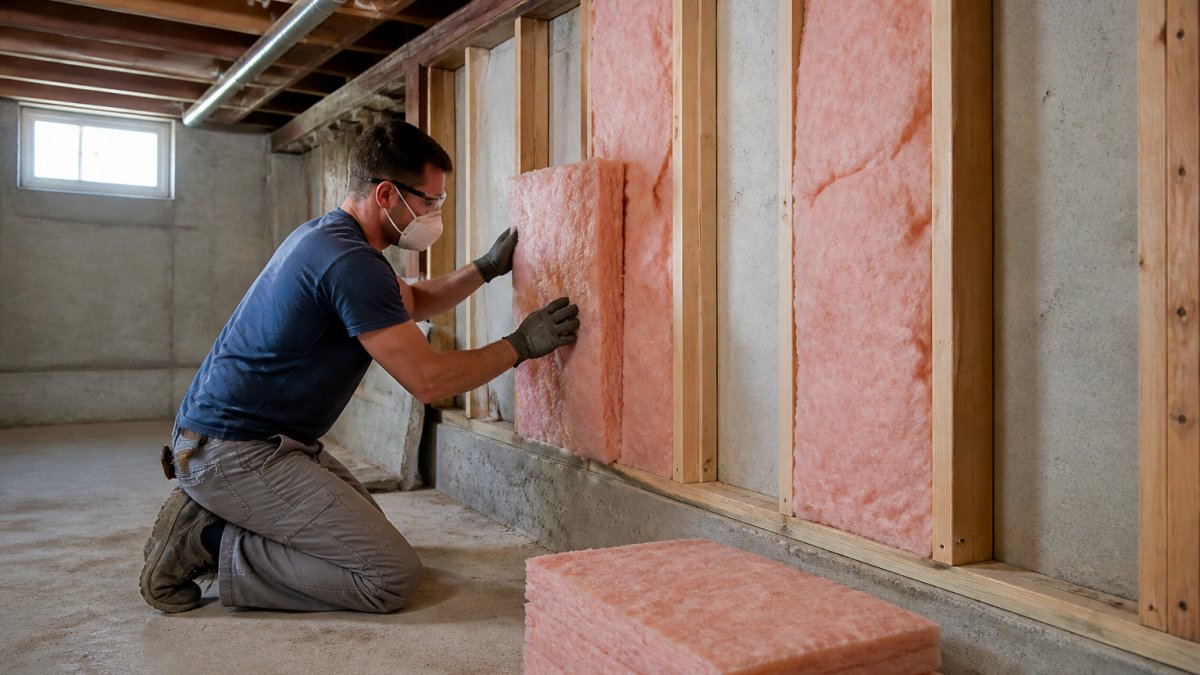
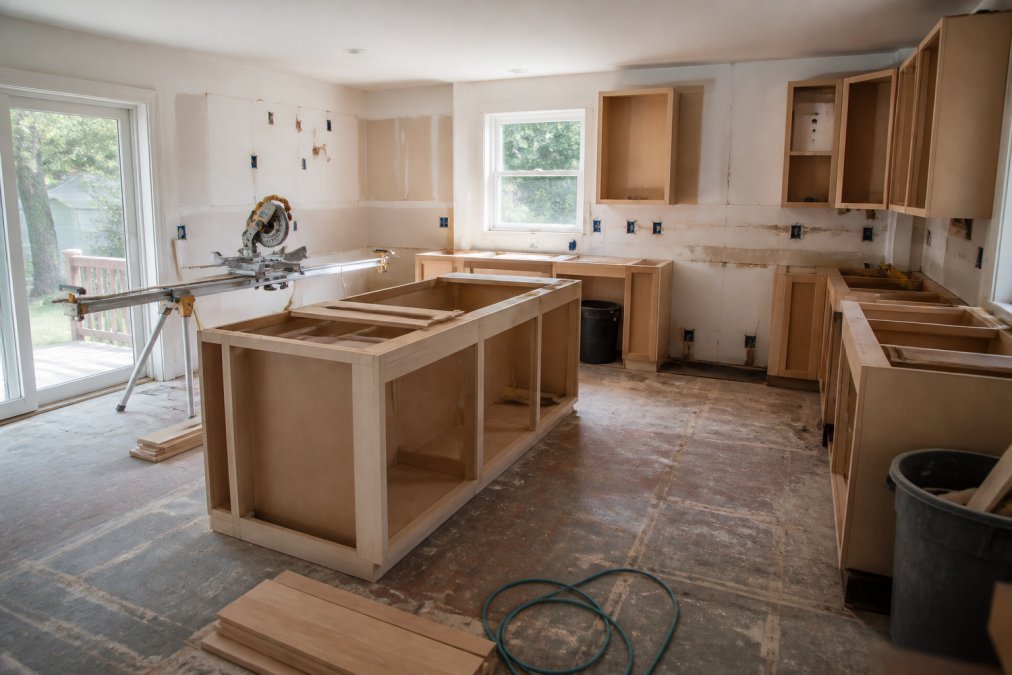
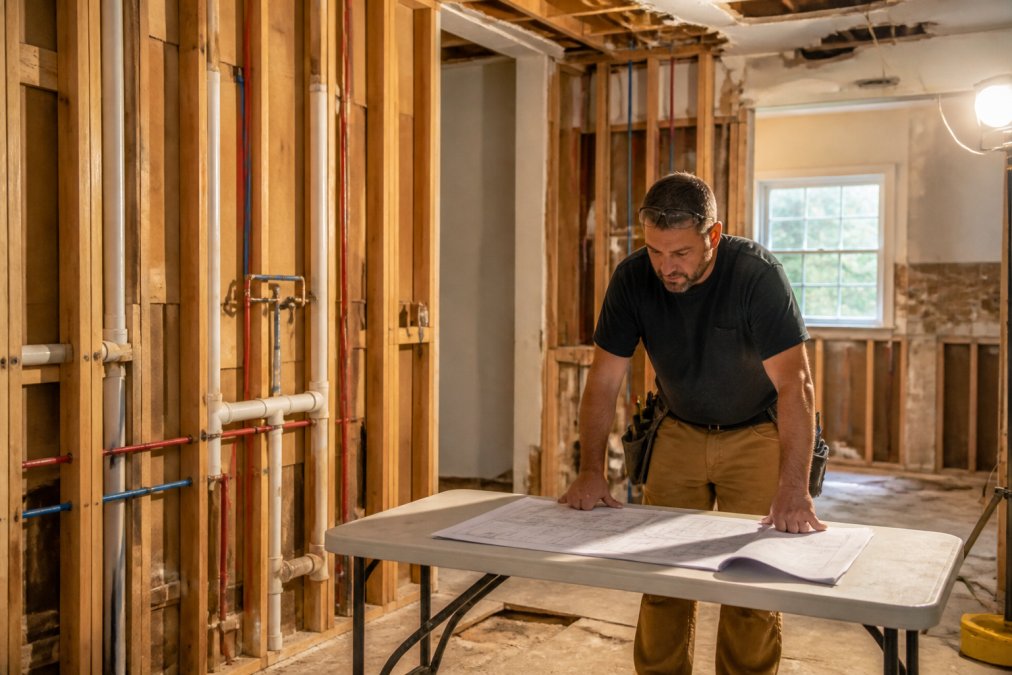
Demolition runs two to four days for a standard kitchen. Rough-in, which covers plumbing and electrical work behind the walls, takes one to two weeks and must pass inspection before walls close up.
Structural surprises surface here more than anywhere else. Opening a wall can reveal framing or wiring that wasn't in the original plan, and that discovery resets the schedule.
Installation and Final Walkthrough
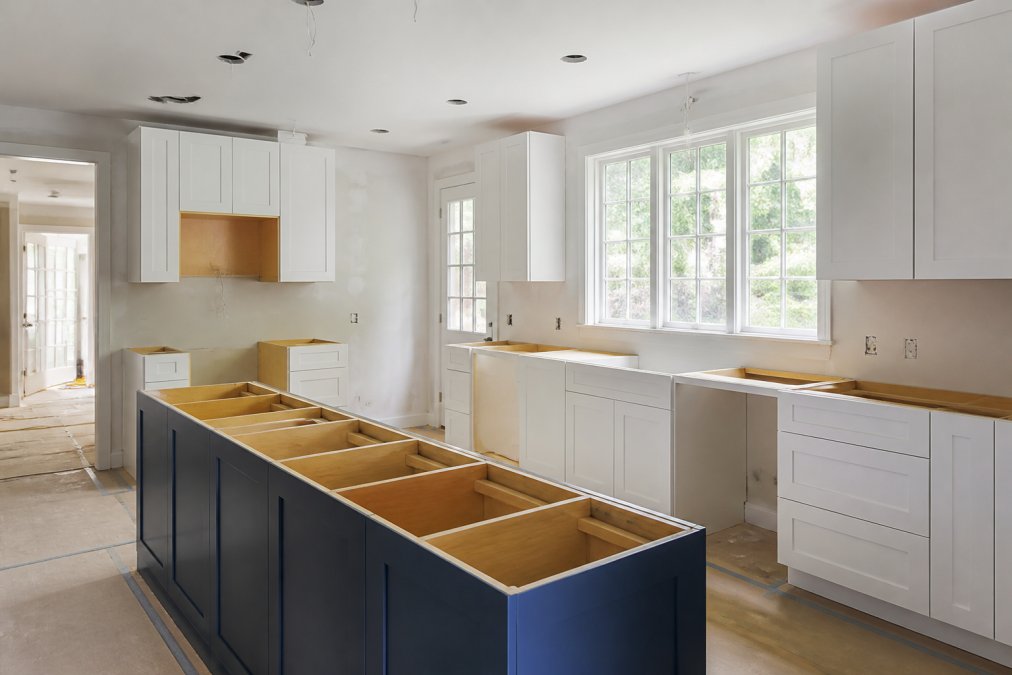
Drywall, cabinet installation, countertop fabrication, and finish work together take three to five weeks. Countertop fabrication alone often requires a template visit and a separate install visit, which adds several days.
The final walkthrough closes the project with a punch list: small items like touch-up paint, hardware adjustments, or caulking that get resolved before you sign off.
How Long Does a Kitchen Remodel Take? Cosmetic vs. Full-Scale
A cosmetic kitchen update takes three to five weeks, while a full-scale renovation runs twelve to twenty weeks or longer. The gap comes down to how much of the room's infrastructure changes.
Cosmetic updates keep the existing layout, plumbing, and electrical. Think refacing, new paint, updated hardware, and a new backsplash. Full-scale renovation moves walls, relocates plumbing, replaces wiring, and rebuilds the room from the studs out.
| Project Type | Typical Duration | What Changes |
|---|---|---|
| Cosmetic update | 3-5 weeks | Surfaces, hardware, paint |
| Midrange remodel | 8-12 weeks | Cabinets, counters, appliances |
| Full-scale renovation | 12-20+ weeks | Layout, plumbing, electrical |
If your goal is a functional kitchen for family gatherings without moving utilities, the cosmetic path gets you there faster. If the layout itself is the problem, only a full-scale project solves it.
What Changes Your Kitchen Remodel Timeline
Timeline estimation comes down to project scope, structural surprises, and how your contractor manages the work. Two kitchens of identical size can finish months apart based on these factors alone.
Project Scope and Structural Surprises
Scope creep is the quiet killer of renovation schedules. Adding a moved wall or a new appliance circuit mid-project forces new permits, new inspections, and new material orders.
Structural surprises work the same way. A load-bearing wall where you wanted an opening, or outdated wiring behind the drywall, turns a two-day task into a two-week one. Budget contingency exists precisely for this.
Design-Build vs. General Contractor
The design-build model puts design and construction under one contract, which typically shortens the overall timeline by eliminating the handoff between an architect and a separate builder. A traditional general contractor arrangement splits those responsibilities, and miscommunication between the two adds weeks.
Kitchen Remodeling Supply Chain Delays 2026: What to Expect
The 2026 supply picture is not a single bottleneck, it's a staggered set of lead times that have to be sequenced against your construction phases. Order too early and materials sit in the garage; order too late and the crew stands around waiting.
Here's how the major categories typically run in 2026:
| Material | Typical Lead Time | When to Order |
|---|---|---|
| Stock / semi-custom cabinets | 4-8 weeks | At permit submittal |
| Custom cabinets | 8-14 weeks | Before permit submittal |
| Natural stone countertops | 2-4 weeks slab + 1-2 weeks fabrication | After template, post-cabinet install |
| Quartz / engineered countertops | 3-6 weeks | At cabinet order |
| Specialty tile and slab backsplash | 4-10 weeks | During design phase |
| Appliances (standard) | 2-6 weeks | At cabinet order |
| Appliances (panel-ready / built-in) | 8-16 weeks | During design phase |
| Windows and exterior doors | 6-12 weeks | At permit submittal |
Custom cabinetry remains the longest-lead item, and the gap between stock and custom is the single biggest swing factor in a 2026 kitchen schedule. A stock-cabinet kitchen can hit the install phase in week six; a custom-cabinet kitchen with a panel-ready refrigerator may not see cabinets until week fourteen.
Material procurement should happen during the design phase, not after demolition. Ordering cabinets the week you demo the kitchen guarantees a stalled project. Supply chain conditions have improved from their worst, but custom and semi-custom lines still carry extended lead times, and appliance manufacturers continue to prioritize built-in and panel-ready units over freestanding models.
Plan your installation window around the slowest item, not the fastest. If custom cabinets take twelve weeks and countertops take four, the cabinets set your completion date. Build a two-week buffer into the schedule for the one item most likely to slip, in 2026, that's almost always the appliance package.
Hiring a General Contractor in Old Bridge NJ: Timeline Questions to Ask
When hiring a general contractor in Old Bridge NJ, the timeline conversation should start with the township's own review calendar, not with a national average. Old Bridge Township processes building permit applications through its Construction Code office, and kitchen projects that move plumbing, electrical, or a load-bearing wall typically require a building permit plus separate electrical and plumbing subcode approvals. Plan on the review itself consuming one to three weeks for a straightforward kitchen application, longer if the plan examiner issues comments that require a resubmittal.
Once work begins, inspections are the second local variable. Rough framing, rough electrical, rough plumbing, and insulation each require their own inspection before the next trade can proceed. In practice, most Old Bridge kitchen projects need three to five inspection visits across the schedule. A contractor who batches inspections efficiently can compress that into a few days of waiting; one who calls for inspection only after the drywall is hung will lose a week or more.
Questions worth asking every contractor:
Living Through a Kitchen Renovation Without Losing Your Routine
Frequently Asked Questions
How early should I start planning a 2026 kitchen renovation?
Start six to nine months before your target completion date. Design decisions, material selections, and permit approvals each take time, and custom cabinetry often carries the longest lead times. In Old Bridge and surrounding Middlesex County towns, plan for a few weeks of local permitting before demolition begins. Locking in selections early keeps the kitchen remodel timeline realistic instead of sliding into the next season.
What phases of a kitchen remodel take the longest?
Design and material procurement usually take the longest, followed by cabinet installation and countertop fabrication. Custom cabinetry lead times and stone countertop templating create the biggest gaps between demolition and final installation. Rough-in of plumbing and electrical moves faster but depends on inspection scheduling. Understanding kitchen renovation phases helps you see where waiting is normal and where a schedule is actually slipping.
How do supply chain factors affect kitchen renovation schedules in New Jersey?
Material availability drives much of the schedule risk in 2026. Cabinets, specialty tile, and certain appliances still carry extended lead times, and a single backordered item can stall installation. Ordering materials before demolition starts, confirming delivery windows in writing, and building a budget contingency for substitutions keeps kitchen remodeling supply chain delays from derailing your completion date.
What should I ask a contractor about their timeline and budget?
Ask for a written schedule with project milestones, a list of what triggers a change order, and how punch list items are handled after the final walkthrough. Request references from projects finished in the last year and ask whether those jobs hit their completion date. A contractor who tracks subcontractor coordination and material procurement in writing is far more likely to stick to both timeline and budget.