 how-to
Home Remodelers NJ: How to Choose the Right Pro
Table of Contents
- What Home Remodelers NJ Homeowners Should Look For
- How to Choose a Remodeling Contractor for Your Project
- Questions to Ask a General Contractor Before You Sign
- Your Home Renovation Project Checklist
- Home Remodeling Timeline: What to Expect Week by Week
- Old Bridge, NJ: Permits, Zoning, and Local Considerations
- Frequently Asked Questions
Last Updated: October 6, 2026
What Home Remodelers NJ Homeowners Should Look For
Hiring home remodelers in NJ comes down to three things: a valid New Jersey Home Improvement Contractor license, current liability and workers' compensation insurance, and a written contract that spells out scope, payment schedule, and change-order rules.
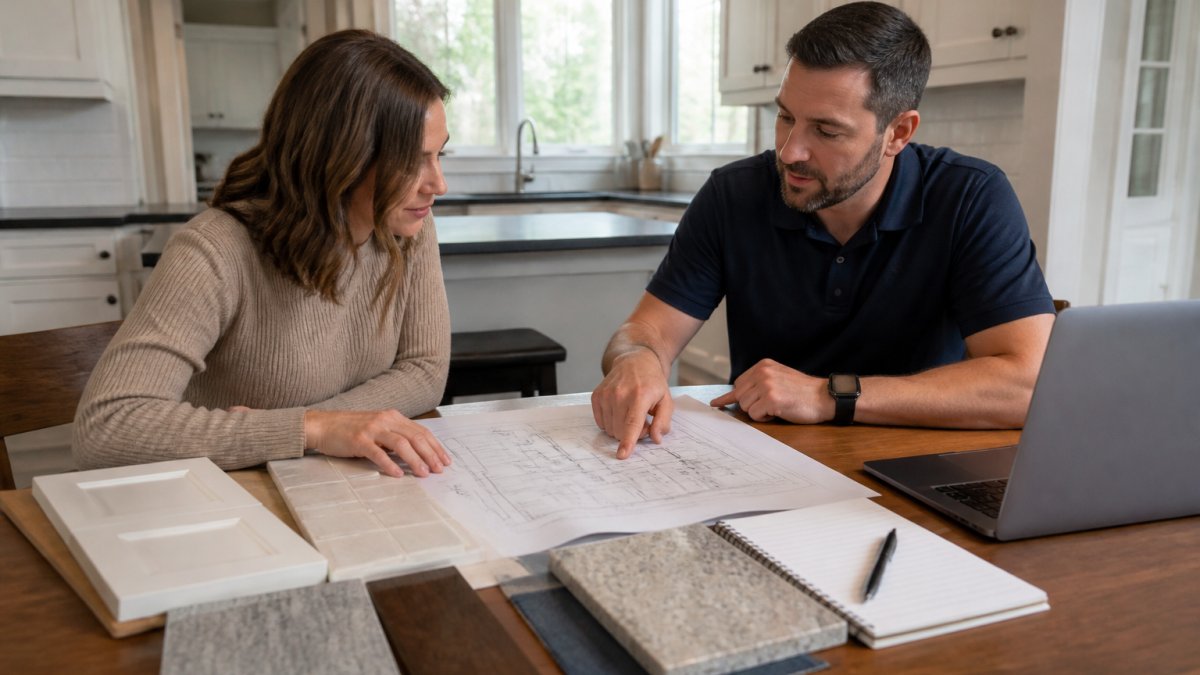
Home remodeling is the process of altering a home's structure, systems, or finishes, from a single bathroom to a full-home renovation.
Licensing, Insurance, and Credentials in New Jersey
New Jersey requires home improvement contractors to register with the Division of Consumer Affairs and display that registration number on contracts, estimates, and advertising. You can verify a registration through the New Jersey Division of Consumer Affairs license lookup. Ask for a certificate of insurance naming you as an additional insured, plus proof of workers' compensation coverage. A contractor who hesitates on either document is telling you something.
Comparing Bids and Verifying Contractor Claims
Three bids is the minimum, and they should be apples to apples. Give every contractor the same scope document, then compare line by line.
| What to Compare | Red Flag | What Good Looks Like |
|---|---|---|
| Scope detail | "Kitchen remodel" as one line | Itemized demo, framing, cabinets, countertops, finishes |
| Payment schedule | Large deposit upfront | Milestone-based draws tied to completed work |
| Timeline | Vague "8-12 weeks" | Start date, phase dates, completion date |
| Permits | "You pull them" | Contractor pulls and lists permit costs |
| Change orders | Nothing in writing | Written change-order process with signed approval |
How to Choose a Remodeling Contractor for Your Project
Choosing a remodeling contractor means matching the contractor's actual specialty to your project type, not just picking the lowest bid. A crew that excels at decks may not be the right fit for a full kitchen gut. Ask what share of their last twenty jobs looked like yours.
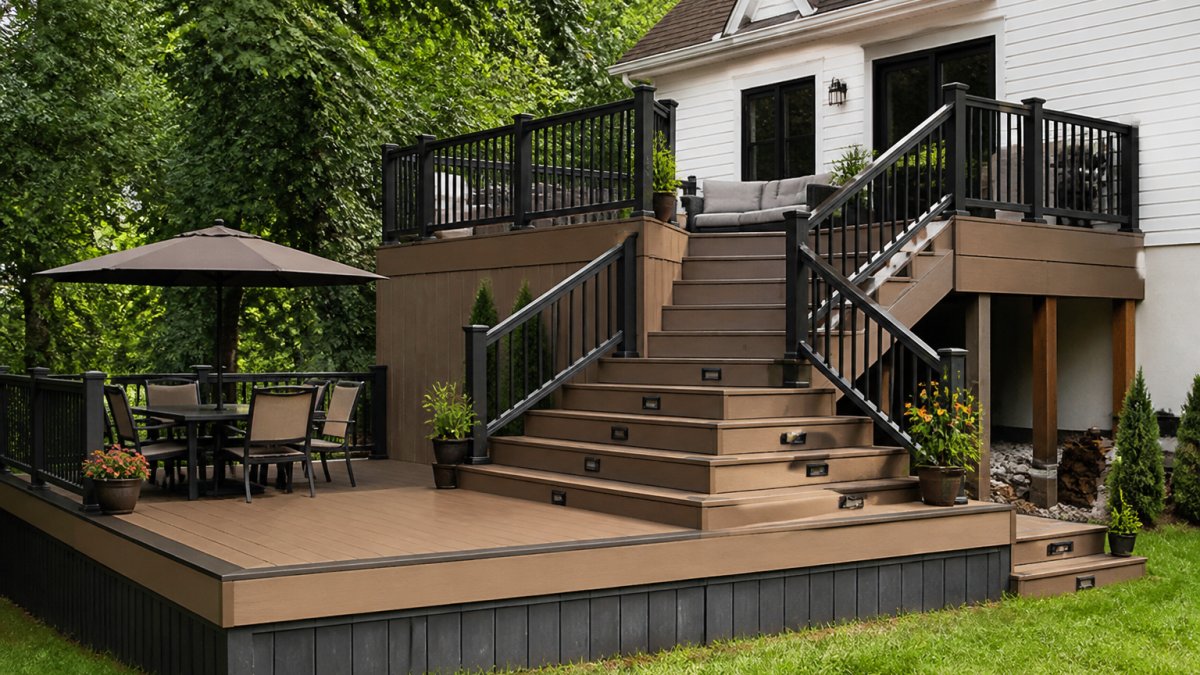
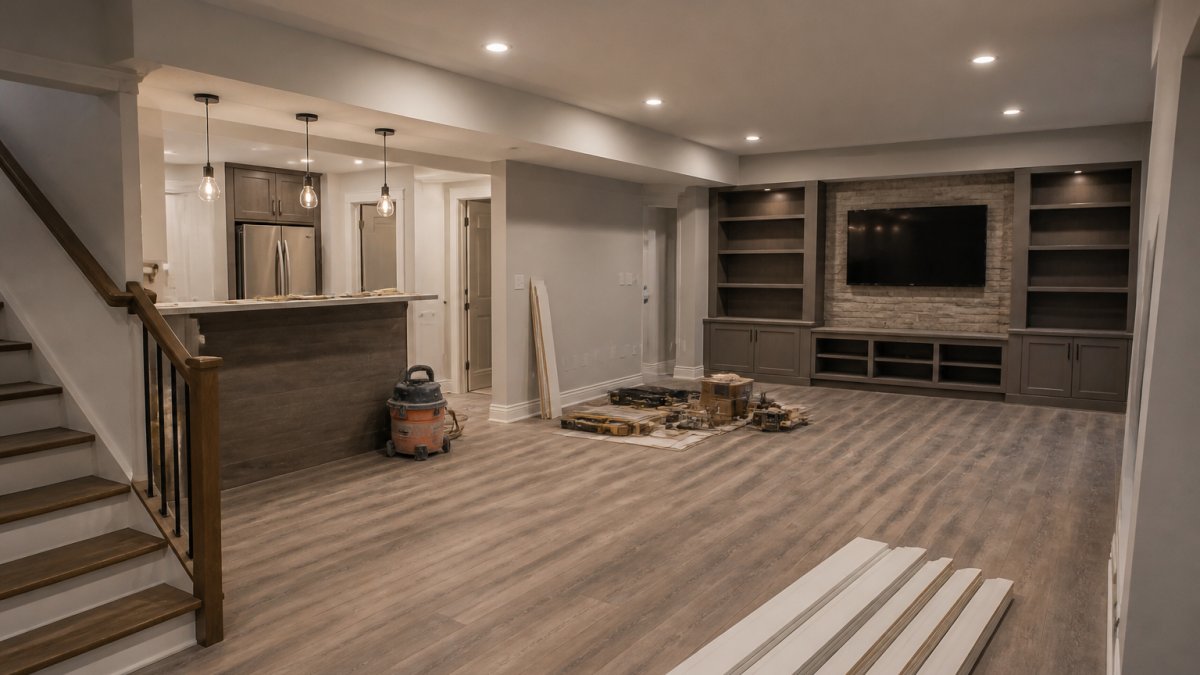
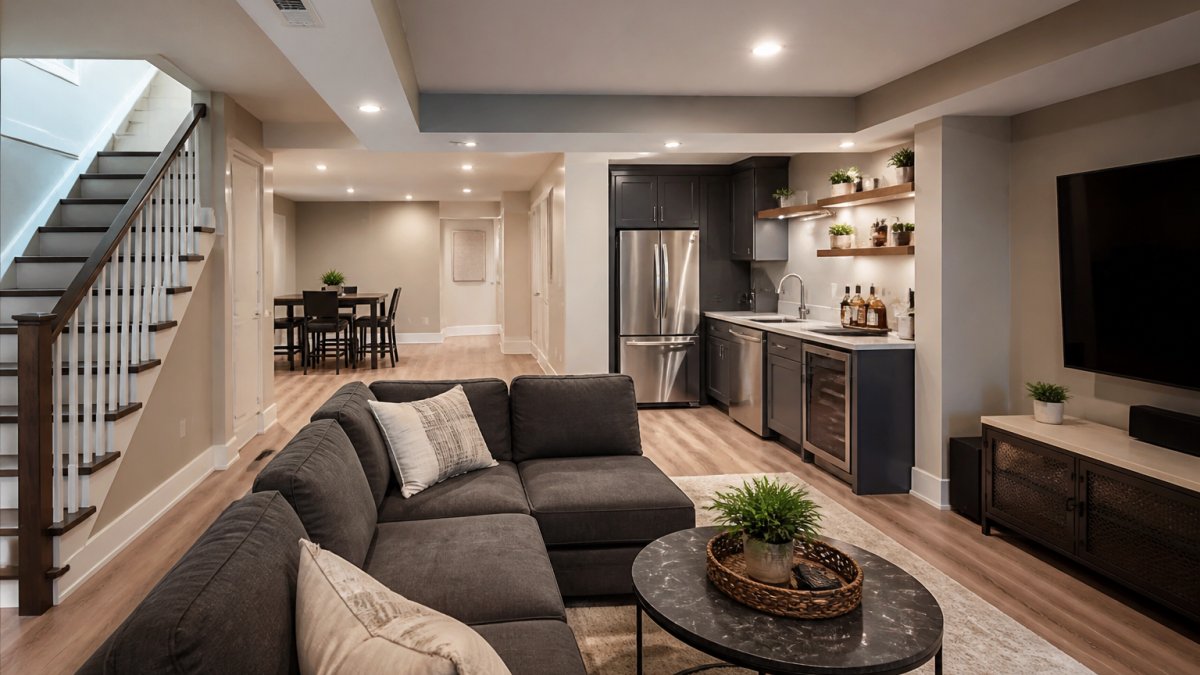
Pioneer Woodwerx handles decks, outdoor living spaces, kitchen and bathroom renovations, basement remodeling, and select custom woodwork, so we can tell you quickly whether your project fits our wheelhouse or belongs with a specialist. That honesty saves everyone time.
- Confirm state registration and insurance certificates
- Ask for three recent local references and call them
- Visit one completed project in person if possible
- Get the scope, timeline, and payment schedule in writing
- Read the change-order and cancellation clauses before signing
Questions to Ask a General Contractor Before You Sign
Ask a general contractor these questions before signing: Who pulls the permits? What's the payment schedule? How are change orders priced and approved? Who is my day-to-day contact? What's the warranty on labor and materials? Get every answer in the contract, not just in conversation.
The last question matters most for aging-in-place work. If you're planning accessibility modifications for a parent, ask whether the contractor has done grab-bar blocking, curbless showers, or widened doorways before. A general builder can learn on your job; you'd rather they already know.
Your Home Renovation Project Checklist
A home renovation project checklist keeps a job from drifting. Before demolition day, you should have signed contracts, a permit posted, a material delivery schedule, and a written communication plan. Mid-project, track change orders and progress photos. At the end, hold final payment until you have the certificate of occupancy or final inspection sign-off.
Contracts, Change Orders, and Payment Protections
New Jersey's contractor registration rules require a written contract for home improvement work above a set threshold, with a three-day right to cancel. Never pay in full upfront. A milestone schedule, typically tied to demo, rough-in, and finish stages, protects both sides. Every change order should be written, priced, and signed before the work happens.
Home Remodeling Timeline: What to Expect Week by Week
A typical kitchen remodel runs six to ten weeks once permits are approved, while a bathroom often takes three to five weeks. Whole-home renovations and basement build-outs commonly run three to six months. The clock that surprises homeowners is the one that starts before demolition: design, selections, and municipal review can add two to six weeks on their own, and in a busy spring permitting cycle in Middlesex County that window stretches further.
| Phase | Typical Duration | What Happens |
|---|---|---|
| Design and selections | 2-4 weeks | Measurements, drawings, fixture and finish choices locked |
| Permit application and review | 1-3 weeks | Submittal to the township, plan review, permit issuance |
| Demolition | 2-5 days | Tear-out, disposal, dust protection, floor protection |
| Rough-in and inspections | 1-2 weeks | Framing, electrical, plumbing, then rough inspections before walls close |
| Insulation and drywall | 3-5 days | Insulation inspection, hang, tape, sand, prime |
| Finishes | 2-4 weeks | Tile, cabinets, countertops, trim, paint, fixtures |
| Punch list and final inspection | 3-10 days | Walkthrough, corrections, final inspection sign-off |
The Inspection Stops That Set the Pace
In New Jersey, work generally cannot proceed past a stage until the prior inspection passes. The sequence most homeowners should expect is rough framing, then rough electrical and rough plumbing, then insulation, then final inspections for each trade, followed by the certificate of occupancy or final sign-off where required. Each stop can add a day or more if the inspector's schedule is full or if a correction is written.
Material Lead Times Drive the Calendar More Than Labor
The single biggest timeline killer is late material selection, not slow labor. Pick tile, fixtures, and cabinet finishes before demolition starts. Semi-custom cabinetry commonly runs four to eight weeks from order to delivery, and special-order tile, glass shower enclosures, and certain countertop slabs can run two to six weeks.
A practical rule: have every long-lead item ordered and confirmed with a delivery window before the rough-in phase begins. Store materials on site or in a garage so a delivery delay does not become a work-stoppage delay.
Weather, Season, and Scope Variables
Decks and any exterior work are weather-dependent, and in Central New Jersey the practical exterior season runs roughly April through November for staining, painting, and finish work. Interior projects can run year-round, but winter holidays and summer vacation schedules slow inspections and deliveries. Structural changes, moving a load-bearing wall, or adding a bathroom where none existed add design and permit time on the front end and inspection time on the back end.
What a Realistic Week-by-Week Looks Like
Week 1 is selections and contract signing. Weeks 2-3 are drawings and permit submittal. Weeks 3-5 are permit review and material ordering. Week 5 is demolition. Weeks 6-7 are rough-in and rough inspections. Week 8 is insulation, drywall, and paint prep. Weeks 9-10 are finishes and fixtures. Week 11 is punch list and final inspection. That is a clean kitchen schedule with no surprises; add one to three weeks for anything structural, custom, or inspection-heavy.
Old Bridge, NJ: Permits, Zoning, and Local Considerations
In Old Bridge, most kitchen, bathroom, basement, and structural remodels require a construction permit through the township's building department, and decks often need both a zoning review and a building permit. Setback rules, lot coverage limits, and deck height restrictions vary by zone, so confirm your project against the township code before you buy materials.
Old Bridge Township building and construction information
What Usually Triggers a Permit in Old Bridge
A permit is generally required when you alter the structure, add or move plumbing, add or extend electrical circuits, finish a basement, add a deck, or change the use of a space. Cosmetic work such as paint, flooring over existing subfloor, and swapping a light fixture on an existing circuit typically does not require one. The practical test is whether the work touches structure, systems, or the building envelope.
Zoning Review for Decks and Additions
Decks, porches, and additions in Old Bridge often need a zoning review before a building permit is issued. The review checks setbacks from property lines, lot coverage, and height limits. Because Old Bridge includes a mix of zoning districts, the same deck plan can be approved on one lot and rejected on another a few streets away. Pull your property survey before you design anything, and confirm the setback and coverage numbers for your specific zone.
Housing Stock and What It Means for Your Renovation
Many Old Bridge homes date to the postwar decades, and renovation often uncovers outdated wiring, undersized framing, or original plumbing that has to be addressed before finishes go in. Homes of that era frequently have two-wire electrical systems without a grounding conductor, which matters when you add a bathroom or kitchen circuit. Basements may have low ceiling heights or uninsulated walls that need attention before finishing. Budget a contingency for what is behind the walls, and expect at least one inspection stop that reveals something not on the original plan.
Aging-in-Place Modifications in Old Bridge
Old Bridge has a large share of homeowners planning to stay in their homes as they age, and the modifications that matter most are structural, not cosmetic. Grab-bar blocking installed during a bathroom remodel costs far less than adding it later. Curbless showers require framing and waterproofing changes that are easiest to do during a full bathroom renovation. Widened doorways and lever-style hardware are straightforward during a remodel but disruptive afterward. If aging-in-place is the goal, raise it during design, not after tile is set.
Local Project Examples and What They Show
A common Old Bridge project is a 1970s split-level kitchen where the wall between the kitchen and dining room is load-bearing. Opening it requires a beam, a permit, and a structural inspection, and the timeline reflects that.
If you're searching for home remodelers near me in Old Bridge, ask whether the contractor has pulled permits in Middlesex County before. A contractor who knows the township's submittal requirements, inspection sequence, and zoning quirks will move your project through review faster than one learning the process on your job.
Frequently Asked Questions
How do I choose a home remodeler in New Jersey?
Start by verifying the contractor's New Jersey Home Improvement Contractor registration and liability insurance. Ask for references from projects similar to yours, and request a written contract that details the scope, materials, and payment schedule. A reputable home remodelers NJ company will welcome these questions and provide documentation without hesitation. Compare at least three bids and check online reviews for patterns of complaints about timelines or budget overruns.
What should a home remodeling contract include?
A solid contract should list the full scope of work, specific materials and brands, a payment schedule tied to milestones, the estimated start and completion dates, and a change-order process. It should also state who pulls permits, how debris will be removed, and what warranty covers the work. In New Jersey, home improvement contracts must be in writing for projects over $500. Never sign a contract with blank spaces or vague language.
How long does a bathroom remodel usually take in New Jersey?
A typical bathroom remodel takes three to six weeks from demolition to final inspection, depending on the scope. A simple vanity and fixture swap might finish in two weeks, while a full gut renovation with layout changes can run eight weeks or more. Permit approvals in Old Bridge and surrounding Middlesex County towns can add one to three weeks before work begins. Ask your contractor for a written schedule with milestones.
What are common remodeling mistakes homeowners make?
The most common mistakes include hiring the lowest bid without checking credentials, failing to get a written contract, and making changes after work begins without a signed change order. Homeowners also underestimate the time needed for permit approvals and material deliveries. Another frequent error is paying too much upfront; a standard schedule ties payments to completed milestones, with a final payment held until all inspections pass and you are satisfied.